
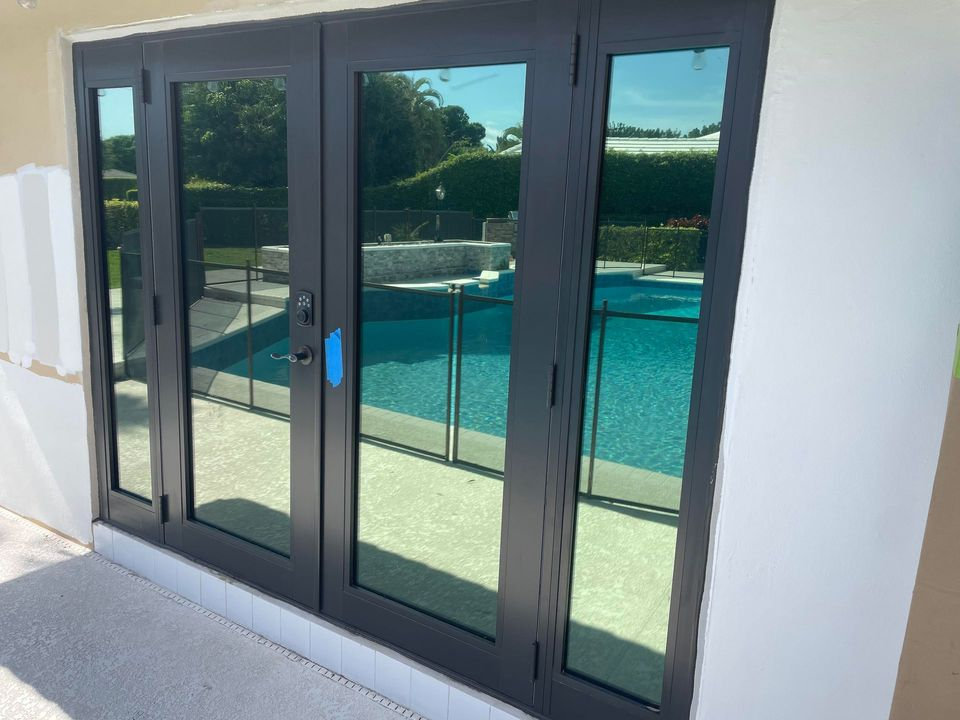
Large glass windows are common in modern homes, offices, and commercial buildings. They bring natural light indoors and create open, comfortable spaces. However, they also allow a significant amount of heat and glare to enter the building.
This is where heat reduction window film becomes useful. It is designed to control solar heat entering through glass while still allowing natural light to pass through. By reducing infrared heat and filtering ultraviolet radiation, these films help create a more comfortable indoor environment.
Heat rejecting window films are used across many settings including home tinting, residential window tinting, commercial window tinting, and even marine window tinting for boats and yachts. Understanding how these films work helps property owners make informed decisions about improving comfort, energy efficiency, and glare control.
What Is Heat Reduction Window Film
Heat reduction window film is a thin layer of specialised material applied to glass surfaces. The film is designed to reduce solar heat entering through windows while maintaining visibility and natural lighting.
These films are commonly used in residential window film, commercial window film, and marine window film applications. They help regulate indoor temperatures and minimise excessive heat gain during sunny conditions.
Main purposes of heat rejecting window film
- Infrared heat control
The film blocks a large portion of infrared radiation, which is responsible for heat build up inside buildings. - Ultraviolet filtration
Many films filter out harmful UV rays that can fade furniture, flooring, and fabrics. - Glare reduction
Window film softens bright sunlight, making indoor spaces more comfortable for working, relaxing, or viewing screens. - Energy efficiency
Reducing heat entering through glass can help lower indoor cooling demand.
These features make heat reduction films widely used in residential home window tinting, commercial tinting, and tinting for homes where large windows are exposed to strong sunlight.
Why Heat Builds Up Through Windows
Glass allows light to pass through easily, but it also allows solar heat to enter buildings. This process occurs through several mechanisms.
1. Solar radiation
Sunlight contains three main components:
- Visible light
- Infrared radiation
- Ultraviolet radiation
Infrared radiation carries heat energy. When it enters through untreated glass, indoor surfaces absorb it and release the heat into the room.
2. Heat absorption and re radiation
When sunlight hits furniture, flooring, and walls, these surfaces absorb heat. The heat is then slowly released into the surrounding air, raising the indoor temperature.
3. Greenhouse effect
Windows trap heat indoors, especially when sunlight enters during the day. The trapped heat increases indoor temperatures, particularly in rooms with large glass surfaces.
Heat reduction window film helps manage this process by blocking or reflecting the heat before it enters the room.
Types of Heat Reduction Window Films
Several different types of window films are designed to control solar heat. Each works slightly differently depending on its materials and construction.
Dyed window film
Dyed films use colour pigments to absorb solar energy.
Features include:
- Moderate heat reduction
- Basic glare control
- Lower cost compared with other film types
These films are often used in basic home tinting or tinting for homes where sunlight exposure is moderate.
Metalised window film
Metalised films contain microscopic metal particles embedded within the film.
Benefits include:
- Strong infrared rejection
- Improved heat reflection
- Increased durability
These films are often used in commercial window tinting projects where buildings require higher solar control.
Ceramic window film
Ceramic films use non metallic ceramic particles that block infrared heat.
Advantages include:
- Excellent heat rejection
- No signal interference
- High optical clarity
Because of these benefits, ceramic tinting for homes, ceramic tint for boats, and advanced residential window tinting systems commonly use ceramic based films.
Multi-layer spectrally selective film
These films combine several layers that target specific parts of the solar spectrum.
They allow visible light to pass through while blocking infrared and ultraviolet radiation. This makes them suitable for buildings where maintaining natural light is important.
Where Heat Reduction Window Film Is Commonly Used
Heat rejecting window film is installed in many different environments.
Residential settings
Many homeowners install residential window tinting to improve comfort and reduce excessive sunlight in living spaces.
Common residential applications include:
- Living room windows
- Sunrooms
- Glass patio doors
- Skylights
Some homes also combine heat reduction film with frosted tint for home or decorative window tint for homes for privacy.
Commercial buildings
Offices, retail spaces, and hotels often install commercial window film to improve indoor comfort and reduce glare.
Typical uses include:
- Office buildings
- Retail storefronts
- Conference rooms
- Restaurants and hotels
In some cases, commercial privacy film or frosted privacy tint office designs are combined with heat control films for both comfort and privacy.
Marine environments
Heat control is particularly important on boats and yachts where large glass areas receive constant sunlight.
Common marine applications include:
- boat window tinting
- marine window tinting
- yacht tinting
Marine films help reduce cabin heat and glare while maintaining clear visibility.
Comparison of Common Window Film Types
Film Type | Heat Reduction | UV Protection | Glare Reduction | Typical Uses |
Dyed film | Moderate | Good | Moderate | Home tinting |
Metalised film | High | Excellent | High | Commercial window tinting |
Ceramic film | Very high | Excellent | High | Residential home window tinting |
Spectrally selective film | High | Excellent | Moderate | Energy efficient buildings |
Additional Window Film Applications
Heat reduction films are often part of a broader window film system that includes other functional films.
Privacy and decorative films
Films such as decorative glass films, decorative window tint, and decorative films for windows provide visual design and privacy while allowing light transmission.
These are commonly used in:
- Offices
- Conference rooms
- Bathrooms
- Glass partitions
Examples include privacy tinting, decorative tint, and privacy tinting for office spaces.
Safety and protection films
Another category includes safety and security window film and glass protection film.
These films strengthen glass and help hold shards together if the glass breaks. They are used in homes, offices, and storefronts.
Anti graffiti protection
Retail storefronts and public buildings sometimes use anti graffiti glass film.
Benefits include:
- Protecting glass surfaces from scratches and vandalism
- Easier cleaning and replacement
- Lower repair costs
Professional anti graffiti film installation is typically used in high traffic commercial areas.
Surface protection films
Beyond windows, protective films can also be applied to surfaces.
Examples include:
- countertop protection film
- surface protection film
These films help prevent scratches, stains, and wear during construction or renovation projects.
Conclusion
Windows allow natural light to enter buildings, but they also introduce heat and glare. Heat reduction window film helps manage this challenge by blocking infrared radiation, filtering ultraviolet rays, and reducing solar absorption.
These films are widely used in home tinting, residential window tinting, commercial window tinting, and marine window tinting applications. Advances in film technology now allow buildings to maintain natural lighting while improving comfort and energy efficiency.
Understanding how heat rejecting window films work makes it easier to choose the right solution for different environments, whether in homes, offices, or marine vessels.