
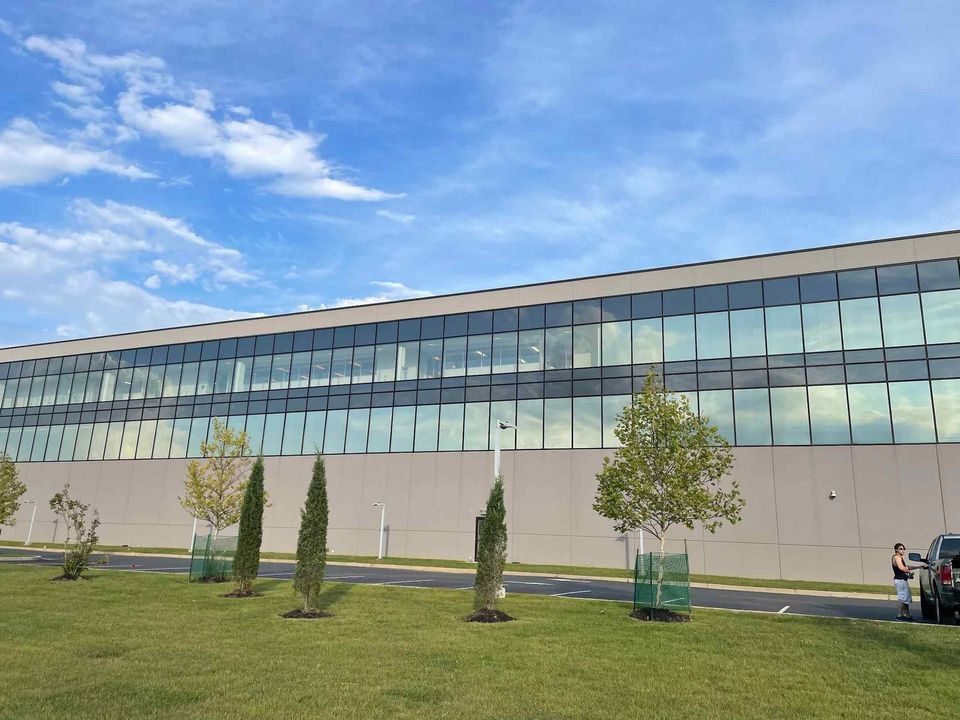
Glass is an essential part of modern commercial buildings. Offices, retail stores, hotels, and other business properties often use large glass windows to improve natural light and create a welcoming environment. However, excessive sunlight, heat, glare, and lack of privacy can become challenges in commercial spaces.
This is where commercial window tinting becomes an important solution. Applying specialised films to glass surfaces helps control heat, reduce glare, improve privacy, and protect interiors. Many property managers and building owners choose commercial window film to improve energy performance and create a more comfortable working environment.
Understanding what to look for when choosing window tinting services helps businesses select the right solution for their building. Different films offer different benefits, so evaluating factors such as privacy, heat control, durability, and installation quality is important before making a decision.
Understanding Commercial Window Tinting
Commercial window tinting refers to applying a thin film to glass surfaces in commercial buildings. These films are designed to modify how sunlight enters a building while improving comfort and energy performance.
Many commercial buildings use glass extensively in offices, storefronts, conference rooms, and entrance areas. Without proper treatment, these surfaces can cause overheating, glare on computer screens, and reduced privacy.
Common types of commercial window film include:
- Solar control film
- Commercial privacy film
- Decorative window films
- Safety and security film
- Anti graffiti glass film
Professional commercial window tinting companies help businesses choose the most suitable film depending on their building design and operational needs.
Why Businesses Use Window Tinting
Businesses choose window tinting services for several practical reasons. The benefits go beyond appearance and can improve comfort, productivity, and energy efficiency.
1. Heat control inside the building
Large windows can allow significant solar heat to enter a building. During warm seasons, this can make indoor spaces uncomfortable.
Business solar film and heat control window tinting reduce the amount of heat that passes through glass, helping maintain a stable indoor temperature.
2. Glare reduction
Glare from sunlight can affect employees who work on computers and digital screens.
Using glare reduction tint helps minimise reflections and creates a more comfortable workspace without blocking natural light.
3. Improved privacy
Conference rooms, offices, and meeting spaces often require a level of privacy.
Commercial privacy film and privacy tinting help prevent outside visibility while still allowing light into the building.
4. Energy efficiency
Solar films can help reduce reliance on air conditioning systems.
Many property managers install energy efficiency film to lower energy consumption and maintain a more consistent indoor climate.
Comparing Commercial and Residential Window Tinting
While both residential and commercial buildings use window films, their goals often differ.
Feature | Commercial Window Tinting | Residential Window Tinting |
Purpose | Energy control and privacy for workplaces | Comfort and privacy for homes |
Film types | Solar film, security film, decorative films | Solar film, residential privacy window film |
Glass size | Larger window areas | Smaller residential windows |
Installation complexity | Higher due to building scale | Moderate |
Many companies offer both residential window tinting and commercial tinting, but the materials and installation approach may vary.
Additional Tinting Solutions Businesses May Consider
While commercial window tinting is common, businesses sometimes require additional protective films depending on their environment.
Decorative films for offices
Decorative films for windows are used in modern office designs where glass partitions separate departments or meeting rooms.
They help create privacy while maintaining a professional appearance.
Safety and security films
Safety and security window film strengthens glass surfaces and helps hold broken glass together if it shatters.
This can be useful for:
- Retail stores
- Public buildings
- Ground floor office windows
Anti graffiti film
Businesses located in busy areas sometimes install anti graffiti glass film to protect glass from scratches, paint, or vandalism.
This protective layer can be replaced if damaged, helping preserve the original glass.
Surface protection film
Some businesses also use surface protection film and countertop protection film in commercial interiors.
These films help protect countertops, work surfaces, and glass installations during renovations or daily use.
What Property Managers Should Expect During Installation
Professional window tinting services usually follow a structured process when installing film in commercial buildings.
Step 1. Building assessment
Technicians inspect the building’s glass surfaces and identify areas that require tinting.
They evaluate factors such as sunlight exposure, window size, and privacy requirements.
Step 2. Film selection
Based on the assessment, installers recommend suitable films such as:
- Commercial privacy film
- Business solar film
- Decorative glass films
The selected film depends on the building’s functional goals.
Step 3. Glass preparation
Before installation, glass surfaces must be thoroughly cleaned to remove dust, grease, and debris.
Proper preparation helps ensure smooth film application.
Step 4. Film installation
The film is carefully applied to the glass surface using specialised tools.
Professional installers ensure the film sits evenly and aligns correctly with the window edges.
Step 5. Inspection and curing
After installation, the film may require a curing period before reaching full performance.
During this time, minor visual haziness may appear but typically disappears as the film settles.
Maintenance and Longevity of Window Tinting
Commercial window films are designed to be durable and long lasting.
Proper maintenance helps extend their lifespan.
Simple maintenance tips include:
- Cleaning glass with non abrasive cloths
- Avoiding harsh chemicals on tinted surfaces
- Inspecting edges for damage over time
Most commercial films maintain their performance for many years when properly maintained.
Window Tinting in Different Commercial Environments
Different types of businesses may use window films in different ways.
Offices
Offices commonly use:
- Glare reduction tint
- Commercial privacy film
- Decorative interior films
These improve comfort and maintain a professional environment.
Retail stores
Retail locations often choose:
- Solar control films
- Safety and security window film
- Anti graffiti protection
These films help protect displays and maintain storefront visibility.
Hospitality and service spaces
Hotels, restaurants, and service businesses may use:
- Decorative window tint
- Privacy films
- Heat control films
These help create comfortable environments for guests and staff.
Conclusion
Glass is widely used in modern commercial buildings, but it can sometimes lead to challenges such as excess heat, glare on screens, and limited privacy in office spaces. Commercial window tinting helps address these issues by improving comfort while still allowing natural light to enter the building.
When selecting a suitable commercial window film, property managers should consider factors such as privacy requirements, heat control, glare reduction, and overall energy efficiency. Choosing the right film can help create a more comfortable working environment and support better building performance.
If you would like more information about available window tinting services or need guidance on selecting the right solution for your property, contact us to learn more about the options available and how window tinting may benefit your building.