
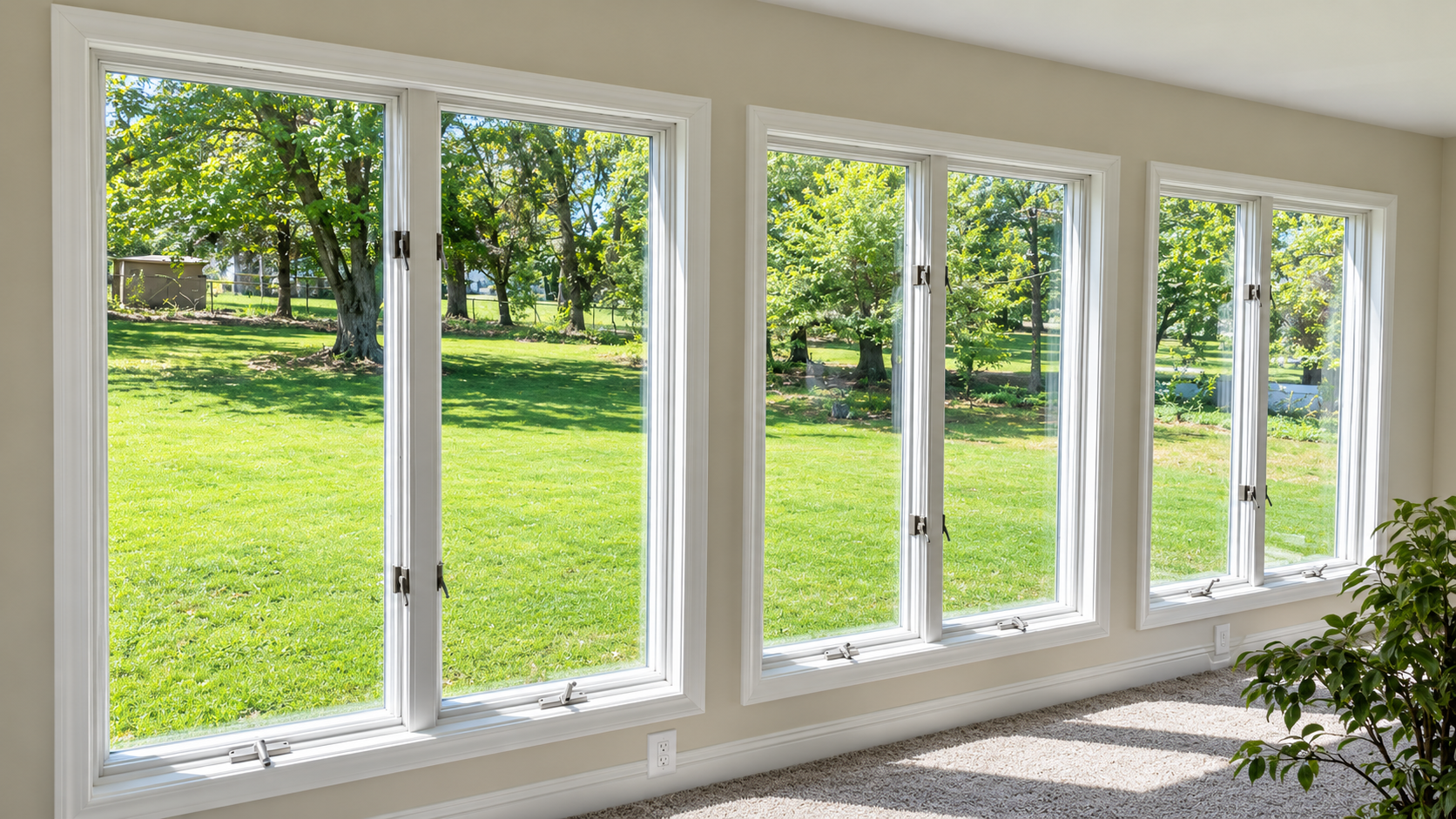
Living in Palm Beach Gardens means dealing with strong Florida sunshine, heat, glare, and year round exposure to ultraviolet rays. For homeowners, these conditions can affect indoor comfort, furniture, flooring, artwork, and energy use. Window tinting can provide a practical way to manage sunlight while maintaining natural light and visibility.
Choosing the right window film, however, requires more than selecting a tint based on appearance. Different films are designed for different purposes, including solar control, privacy, glare reduction, UV protection, and decorative applications.
Homeowners searching for window tinting Palm Beach Gardens can benefit from understanding the available options and how they may fit different areas of a home.
What Is Residential Window Tinting?
Residential window tinting involves applying a specialized film to existing glass surfaces. Depending on the type of film selected, it can help reduce solar heat, control glare, filter ultraviolet radiation, or increase privacy.
Window film can be installed on various types of residential glass, including windows, sliding glass doors, and other large glass surfaces.
Unlike replacing an entire window, window film is applied to the existing glass. This can make it a practical option for homeowners who want to modify the performance of their windows without changing the overall appearance of the property.
Why Palm Beach Gardens Homeowners Consider Window Film
Florida’s climate makes solar control particularly relevant for residential properties.
Managing Solar Heat
Large windows allow natural light into a home but can also allow significant solar heat to enter. Window film can reduce the amount of solar energy transmitted through the glass, which may make rooms more comfortable during periods of strong sunlight.
Rooms with large south or west facing windows can be particularly affected by afternoon sun.
Reducing Glare
Glare can make it difficult to comfortably use televisions, computers, and other screens near windows. A suitable window film can reduce glare while still allowing natural light into the room.
This can be particularly useful in home offices, living rooms, and entertainment areas.
Filtering UV Radiation
Many window films are designed to filter a significant portion of ultraviolet radiation. UV exposure can contribute to fading and deterioration of furniture, flooring, artwork, photographs, and other interior materials.
Window film can therefore be considered as one part of an overall approach to protecting interior furnishings from prolonged sunlight exposure.
Improving Privacy
Privacy films can reduce visibility through windows while allowing homeowners to maintain natural daylight. Depending on the product, homeowners can choose different levels of privacy and different visual effects.
Privacy film can be useful for bathrooms, bedrooms, home offices, and windows facing neighboring properties.
Choosing the Right Window Film for Your Home
Not every window film is designed to provide the same benefits. Solar control films are generally selected to reduce heat and glare while maintaining visibility. Privacy films focus more on limiting visibility through the glass. Decorative films can alter the appearance of a window without requiring replacement.
Security films are designed with a different purpose and can help hold broken glass together when properly installed. Homeowners should therefore identify the main problem they want to address before selecting a product.
For example, a homeowner experiencing excessive afternoon heat may benefit from a solar control film, while someone looking for greater privacy may need a different type of product.
Window Tinting for Large Glass Areas
Palm Beach Gardens homes may include large windows, sliding doors, glass walls, and other expansive areas of glazing. These surfaces can contribute significantly to heat and glare inside a property.
Large glass areas also make film selection particularly important because the appearance of the film can affect the overall look of the room. A professional assessment can help determine which type of film is appropriate for the glass and the desired result.
Residential Window Film vs. Commercial Smart Film
Window film is not limited to residential applications. Businesses can use specialized products to control privacy, sunlight, and the appearance of interior glass. Commercial smart film is a technology that allows certain glass surfaces to change between transparent and privacy states, depending on the system. It can be used in offices, conference rooms, medical facilities, retail environments, and other commercial spaces where flexible privacy is important.
While traditional residential window film and commercial smart film serve different purposes, both can be part of a broader approach to managing how glass is used within a property. Homeowners considering window film should select a product based on the specific performance they need rather than assuming that every type of film provides the same benefits.
Marine Smart Window Film for Boats and Yachts
Window film applications can also extend beyond residential and commercial properties. Marine smart window film is designed for marine environments where privacy, light management, and changing visibility requirements may be important. It can be considered for certain boats and yachts where glass surfaces are part of the interior or exterior design.
Marine applications require careful consideration of the vessel, glass type, installation environment, and product specifications. A film intended for a residential window should not automatically be assumed to be appropriate for marine use.
For Palm Beach Gardens residents who own or spend time on boats, understanding the differences between residential, commercial, and marine window film can help ensure the selected product is appropriate for its intended environment.
How to Choose a Local Window Tint Installer in Palm Beach Gardens
Choosing a local tint installer involves more than comparing film shades or prices.
Homeowners should consider the installer’s experience with residential glass, knowledge of different film types, installation methods, and ability to recommend products based on the property’s specific needs.
It is also useful to ask what type of preparation is required before installation and how the film should be maintained afterward.
A qualified installer should be able to explain the expected appearance, performance characteristics, warranty information, and limitations of the selected film.
What to Expect During Window Film Installation
The installation process generally begins with an assessment of the glass and the homeowner’s goals. The installer can then recommend an appropriate film based on factors such as sunlight exposure, privacy requirements, window orientation, and the type of glass.
Before installation, the glass needs to be thoroughly cleaned so that the film can be applied properly.
The film is carefully measured and applied to the glass. The installer then removes excess material and works out moisture and air from beneath the film.
After installation, some temporary haze or small amounts of moisture may be visible while the film cures. The exact curing period depends on the film, installation conditions, and environmental factors.
Homeowners should follow the installer’s care instructions during this period.
Does Window Tinting Make a Home Dark?
Window films are available in different shades and performance levels. Some films are designed to provide solar control while maintaining a relatively clear appearance.
The amount of visible light that enters a room depends on the specific film selected. Homeowners who want to preserve natural daylight can discuss lighter solar control options with their installer.
The goal is not always to make windows look dark. In many cases, the objective is to improve comfort and reduce glare while maintaining the existing appearance of the property.
Can Window Film Improve Home Comfort?
Window film can help reduce the amount of solar heat entering through treated glass. This can make areas near windows more comfortable, particularly during periods of intense sunlight.
The overall effect depends on factors such as window size, orientation, existing glass, film type, shading, insulation, and the home’s HVAC system.
Window film should therefore be viewed as one component of a home’s overall solar control strategy rather than a standalone solution for every temperature or energy issue.
Maintaining Window Film After Installation
Proper maintenance can help preserve the appearance and performance of installed film. Homeowners should follow the manufacturer’s cleaning recommendations and use suitable cleaning products and tools. Abrasive materials or inappropriate chemicals may damage certain film surfaces.
It is also important to understand that different films may have different maintenance requirements. If homeowners notice peeling, bubbling, discoloration, or other unexpected changes, they should contact the installer or manufacturer for guidance.
Final Thoughts
For Palm Beach Gardens homeowners, window tinting can provide a practical way to address common concerns associated with Florida’s intense sunlight. Depending on the film selected, homeowners can focus on solar heat reduction, glare control, UV filtering, privacy, or other specific needs. Palm Beach Tint Pros can help homeowners understand the available film options based on the existing glass, location of the windows, desired appearance, and intended performance. Working with an experienced local tint installer can help homeowners make an informed decision before choosing a film.
Window film technology also extends beyond residential applications. Commercial smart film can provide flexible privacy solutions for business environments, while marine smart window film can be considered for suitable boat and yacht applications. For homeowners in Palm Beach Gardens, selecting window film based on the actual requirements of the property can help ensure that the finished installation provides the desired balance of comfort, privacy, appearance, and solar control.