
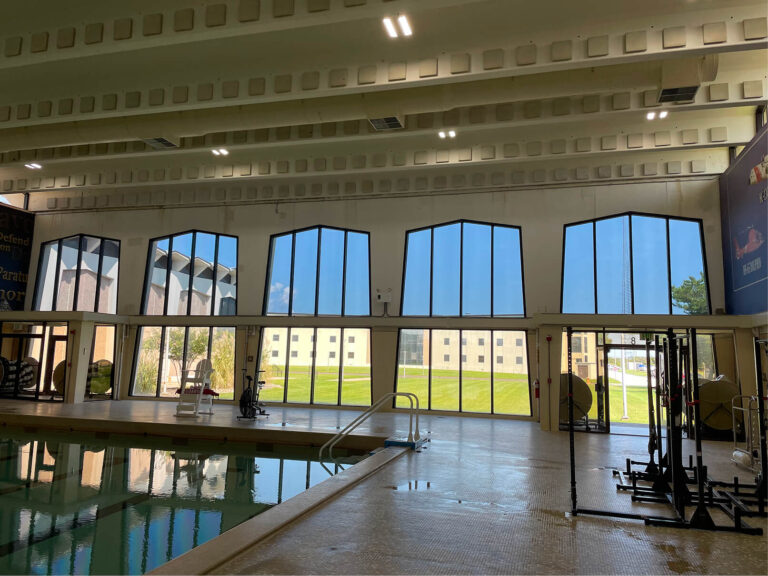
Modern buildings are no longer designed around appearance alone. Energy efficiency, indoor comfort, and environmental responsibility are now central to how homes, offices, and commercial spaces are built and upgraded. One solution that continues to gain attention across residential and commercial projects is energy efficient window tinting.
Professional window tinting services now extend far beyond simple shading. From window tinting West Palm Beach properties to large commercial complexes, modern films help control heat, glare, and UV exposure without changing the look of the glass.
This guide explains why energy efficient window film has become a smart, practical upgrade for modern buildings, how it works, and where it fits into residential, commercial, marine, and specialty applications.
Understanding Energy-Efficient Window Tinting
Energy-efficient window tinting refers to advanced films designed to regulate solar heat gain while maintaining visibility and comfort. These films are applied directly to existing glass, making them a retrofit-friendly solution for both older and newer buildings.
Unlike curtains or blinds, window tinting services work at the glass level. Heat is managed before it enters the interior, helping reduce cooling loads and indoor temperature fluctuations.
How Energy Efficient Window Film Works
Energy efficient window film uses multiple layers that reflect, absorb, or filter sunlight. Each layer supports heat control and UV reduction.
Solar heat reflection
Reflective or ceramic layers redirect solar energy away from the glass surface. This reduces indoor heat buildup without blocking natural daylight.
Heat insulation properties
Some films stabilize indoor temperatures by limiting heat transfer through the glass. This supports both cooling in summer and heat retention in cooler months.
UV blocking technology
Most residential window films block up to 99 percent of harmful UV rays. This protects interiors while improving comfort.
Why Energy Efficiency Matters in Modern Buildings
Energy efficiency is now a core requirement for long-term comfort, operational cost control, and sustainability.
Buildings with excessive solar heat gain often experience uneven temperatures and higher cooling demands. Professional window tinting services provide a simple solution without structural changes.
Key reasons energy efficiency is a priority
Rising energy consumption
Air conditioning represents a large portion of energy use. Tinting for homes and offices reduces heat gain naturally.
Sustainability goals
Many property owners pursue eco-friendly upgrades such as residential glass tinting or commercial window film to reduce environmental impact.
Comfort and usability
Spaces affected by glare or overheating benefit from privacy tinting and solar control films.
Benefits of Energy-Efficient Window Tinting
Energy efficient window film provides advantages across homes, offices, and marine environments.
Reduced indoor heat and glare
Improved temperature balance
Home tinting helps reduce hot spots near windows, especially in sun-exposed rooms.
Lower glare without darkening rooms
Modern films allow natural light while reducing glare on screens and surfaces.
Support for sustainable cooling
Reduced reliance on air conditioning
Proper residential tinting and commercial tinting can lower cooling demands.
Energy savings over time
Professional home window tinting service installations deliver long-term efficiency improvements.
UV protection and interior preservation
Protection for furnishings and finishes
UV rays cause fading. Residential window film helps preserve interiors.
Added comfort for occupants
Reduced UV exposure improves indoor comfort without blocking views.
Residential Applications of Energy Efficient Window Film
Homeowners increasingly choose residential window tinting to improve comfort without renovation.
Residential window tinting for homes
Tinting for homes supports both energy performance and everyday comfort.
Ceramic tinting for homes
Ceramic films offer high heat rejection with a clear, natural appearance.
Residential home window tinting is commonly used in living rooms, kitchens, and sun-facing areas.
Privacy and decorative solutions for homes
Energy efficiency can be combined with aesthetics through decorative films.
Residential privacy window film
Ideal for street-facing windows and bathrooms, offering light with privacy.
Frosted tint for home interiors
A popular decorative window tint for homes option that diffuses light while maintaining style.
Decorative glass films and decorative films for windows can also enhance interior design without replacing glass.
Commercial and Office Window Tinting
Large glass facades make commercial window tinting essential for comfort and efficiency.
Commercial window tinting benefits
Improved employee comfort
Tinting for businesses reduces glare and heat, especially in open offices.
Lower operational energy use
Professional commercial window tinting companies install films that reduce cooling loads.
Commercial privacy film solutions also help create functional office layouts.
Privacy and decorative films for offices
Decorative tinting for offices
Adds visual separation while maintaining light flow.
Frosted privacy tint office applications
Used in meeting rooms, reception areas, and shared workspaces.
Privacy tinting for office spaces and decorative window tint offer both branding and privacy benefits.
Marine Window Tinting and Specialty Applications
Energy efficient window film is also widely used in marine environments.
Marine window tinting uses
Boat window tinting
Marine window film reduces cabin heat and glare.
Ceramic tint for boats
Preferred for durability, clarity, and signal-friendly performance.
Tinting for boats and tinting for yachts including yacht tinting helps maintain comfort in high-sun conditions.
Protective and Specialty Films
Some films focus on protection rather than heat control.
Safety and security films
Reinforces glass to reduce shattering risks.
Glass protection film
Helps protect surfaces from scratches, impacts, and daily wear.
Anti-graffiti and surface protection
Anti graffiti glass film
Protects storefronts and glass panels from vandalism.
Anti graffiti film installation
Simplifies cleaning or replacement after damage.
Countertop protection film
Protects surfaces during construction or renovation.
Surface protection film
Used across commercial and residential projects to preserve finishes.
Installation Considerations and Professional Application
Proper installation plays a critical role in performance and longevity.
Why professional installation matters
Accurate film selection
Professional residential window film installers and commercial tinting specialists choose the right film for each glass type.
Clean, precise application
Expert window tinting services minimize bubbles and imperfections.
Long-term performance
Correct installation ensures durability and consistent energy efficiency.
Energy-Efficient Window Tinting as a Long-Term Upgrade
Window tinting may appear to be a small upgrade, but its impact can last for many years. From residential window tinting in West Palm Beach homes to large-scale commercial window film installations, the benefits extend across multiple property types.
It complements insulation and HVAC systems by addressing one of the main sources of heat gain: glass.
Conclusion
Energy-efficient window tinting has become a smart upgrade because it improves comfort, sustainability, and efficiency in a simple, adaptable way. From home tinting projects to large-scale commercial window tinting and marine window tinting, window film offers practical heat control and UV protection.
As buildings continue to evolve toward smarter, greener designs, window tinting remains a reliable improvement that meets both modern comfort needs and long-term energy goals.