
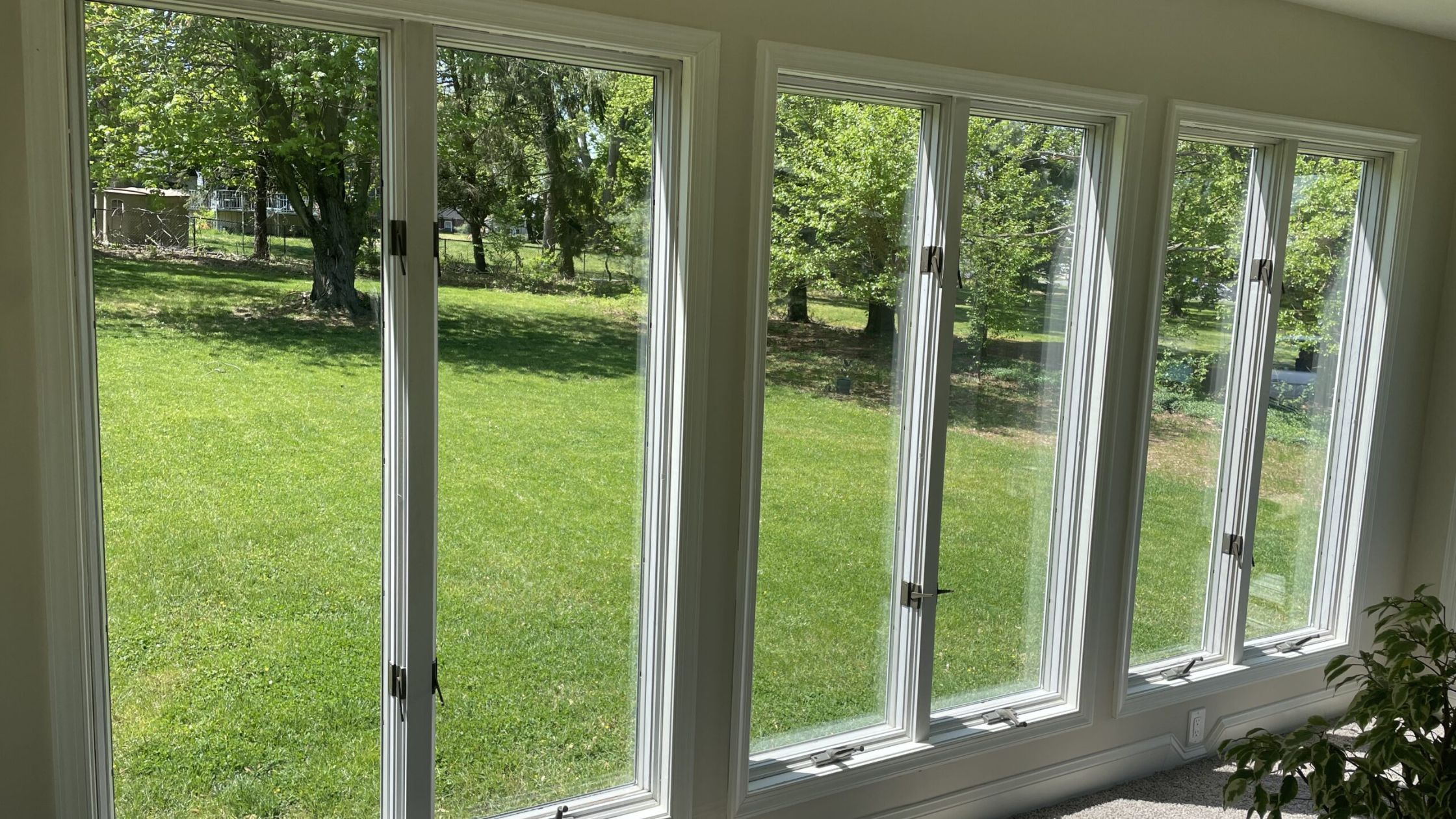
Heating and cooling account for a significant portion of a home’s energy costs. During the summer, sunlight entering through untreated windows can dramatically increase indoor temperatures, forcing air conditioning systems to work harder. In the winter, heat can escape through the same windows, making it more difficult to maintain a comfortable indoor environment.
One of the most effective ways to improve your home’s energy efficiency is through residential window tinting. Modern window films are designed to reduce solar heat gain, minimise heat loss, block harmful UV rays, and improve indoor comfort without replacing your existing windows. This guide explains how residential window tinting works, why it can help lower energy bills throughout the year, and what homeowners should consider before investing in window film.
How Residential Window Tinting Works
Residential window film is a thin, durable layer applied directly to the interior surface of existing windows. Once installed, the film helps control the amount of solar energy entering the home while still allowing natural light to pass through.
Depending on the product selected, window films can reflect, absorb, or filter heat and ultraviolet rays before they enter your living space. This helps maintain more consistent indoor temperatures while reducing the strain on your heating and cooling systems. Unlike replacing windows, residential window tinting offers an energy efficient upgrade with minimal disruption to your home.
Reduces Heat During Summer
Large windows and glass doors often allow significant amounts of solar heat into a home. As sunlight passes through untreated glass, indoor temperatures rise, causing air conditioners to run more frequently and consume more electricity. Heat reducing window film helps minimise this solar heat gain by rejecting a substantial portion of the sun’s infrared energy before it enters the home. With less heat entering your living spaces, your cooling system can operate more efficiently, improving comfort while reducing energy consumption.
Helps Retain Heat in Winter
Although window film is often associated with summer cooling, it can also provide benefits during colder months. Certain energy efficient window film products help reduce heat transfer through glass, allowing more of your home’s heated air to remain indoors. This improved insulation helps stabilise indoor temperatures and may reduce heating costs during winter. By improving thermal performance throughout the year, window tinting provides benefits in every season.
Lowers Energy Bills
When heating and cooling equipment operates more efficiently, homeowners often notice lower monthly utility bills. Because residential window tinting reduces both summer heat gain and winter heat loss, HVAC systems do not need to work as hard to maintain comfortable indoor temperatures. While the exact savings vary depending on climate, home design, window orientation, and the type of film installed, many homeowners experience noticeable improvements in overall energy efficiency.
Blocks Harmful UV Rays
Ultraviolet radiation entering through windows can damage furniture, flooring, curtains, artwork, and other interior finishes. High quality home window tint blocks up to 99% of harmful UV rays while still allowing visible light into the home. This helps reduce fading and prolongs the life of valuable interior furnishings. UV protection also contributes to a more comfortable indoor environment by reducing sun exposure near windows.
Improves Indoor Comfort
Many homeowners notice that certain rooms become significantly warmer than others due to direct sunlight. Window film helps create more balanced indoor temperatures by reducing hot spots throughout the home. Family rooms, home offices, kitchens, and bedrooms with large windows often become noticeably more comfortable after installation. Improved temperature consistency also makes living spaces more enjoyable throughout the day.
Reduces Glare
Bright sunlight can create uncomfortable glare on televisions, computer screens, tablets, and mobile devices. Residential window tinting helps reduce excessive glare without requiring homeowners to keep blinds or curtains closed throughout the day. Many of the same glare-reducing benefits are also available with commercial window tinting, helping offices, retail spaces, and other business environments create a more comfortable and productive indoor atmosphere. This allows natural daylight to remain while improving visibility and reducing eye strain during work, entertainment, or daily activities.
Supports HVAC Efficiency
Heating and cooling systems experience less demand when indoor temperatures remain stable. Reducing solar heat gain allows air conditioning units to cycle less frequently during warm weather, while improved insulation can reduce heating demands during colder months. Lower HVAC workload may also contribute to reduced equipment wear over time, potentially extending the lifespan of heating and cooling systems.
Maintains Natural Light
Many homeowners worry that window tint will make their homes feel dark. Modern residential window films are available in a wide range of shades and performance levels, allowing natural daylight to enter while reducing unwanted heat and glare. This makes it possible to enjoy bright living spaces without sacrificing energy efficiency or comfort.
An Alternative to Window Replacement
Replacing every window in a home can be expensive and time consuming. Residential window tinting provides an effective way to improve energy performance using existing windows. Professional installation is generally quicker and more affordable than complete window replacement while still delivering noticeable comfort and efficiency benefits. For many homeowners, window film represents a practical energy saving upgrade.
Choosing the Right Window Film
Not all residential window films offer the same performance. The ideal product depends on your home’s location, window orientation, climate, privacy needs, and energy goals. Factors such as visible light transmission, solar heat rejection, UV protection, and appearance should all be considered before selecting a film.
Working with an experienced installer helps ensure the most appropriate solution for your property. At Palm Beach Tint Pros, our experienced team evaluates your home’s unique needs and recommends the ideal window tinting solution to maximise comfort, energy efficiency, and long-term performance.
Professional Installation Matters
Although DIY window film kits are available, professional installation often delivers better long term results. Experienced installers carefully prepare the glass, apply the film without bubbles or contamination, and ensure proper alignment across each window. Professional installation also helps maximise the lifespan and performance of the window film while maintaining its appearance.
Long Term Value
In addition to lowering energy costs, residential window tinting provides several long term benefits. Improved comfort, UV protection, reduced glare, enhanced privacy, and better energy efficiency all contribute to increased enjoyment of your home. Over time, these advantages can help offset the initial installation cost while protecting interior furnishings from sun damage. For homeowners seeking practical energy improvements, window film offers lasting value.
Conclusion
Residential window tinting is an effective way to improve your home’s energy efficiency without replacing existing windows. By reducing solar heat gain, improving insulation, blocking harmful UV rays, and creating more comfortable indoor temperatures, modern energy efficient window film helps homeowners lower energy bills throughout the year. Many of the same heat-reducing and UV-blocking technologies are also used in marine window film, providing similar comfort and protection for boats and yachts.
Whether your goal is reducing cooling costs during summer or improving indoor comfort in every season, professionally installed residential window film offers a practical, long term solution for protecting both your home and your investment.