
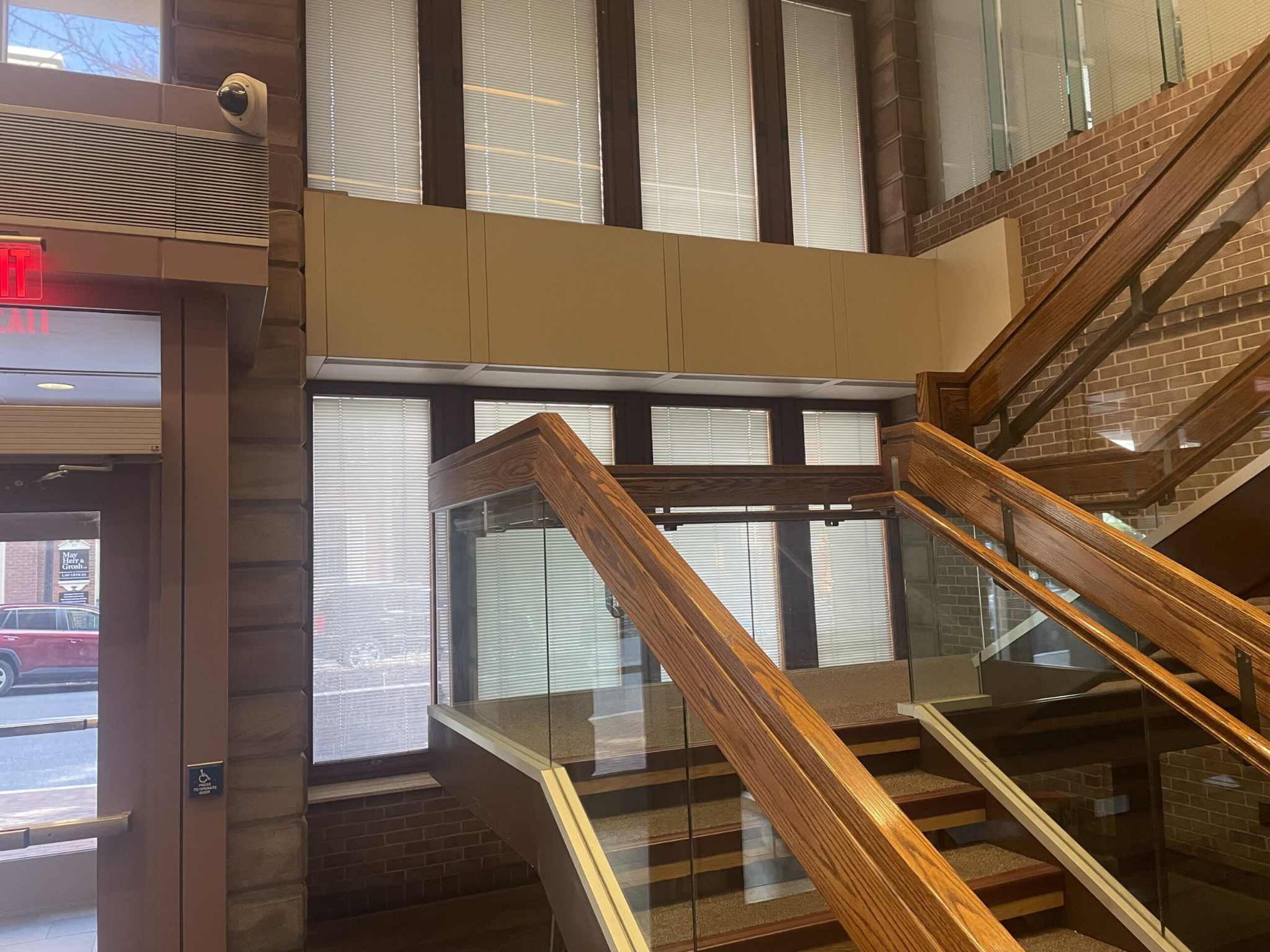
Windows are an important part of many commercial properties. Retail storefronts rely on glass to display products and create an inviting appearance, while offices and other commercial buildings use windows to provide natural light and visibility. However, large glass areas can also create challenges involving heat, glare, privacy, fading, and energy efficiency.
Commercial window film provides a practical way to modify the performance and appearance of existing glass without replacing the windows. Different films are designed for different purposes, so selecting the right option requires an understanding of the building, the type of glass, and how the space is used.
For retail stores, offices, restaurants, medical facilities, and other commercial properties, the best window film is the one that addresses the property’s specific needs while maintaining an appropriate appearance.
What Is a Commercial Window Film?
Commercial window film is a thin material applied to glass surfaces to alter certain characteristics of the window. Depending on the type selected, a film can help control solar heat, reduce glare, increase privacy, limit ultraviolet exposure, or change the appearance of the glass.
Window films are available in different shades, levels of reflectivity, finishes, and performance characteristics. Some are designed primarily for solar control, while others focus on privacy, security, decorative appearance, or branding.
The appropriate choice depends on the objectives of the property owner and the conditions affecting the building.
Why Retail Stores Use Storefront Window Tint
Retail storefronts often have large areas of exposed glass. These windows can allow substantial amounts of sunlight and solar heat into the store, particularly when they face the sun for long periods during the day.
Storefront window tint can help manage these conditions while preserving the benefits of natural light. Reducing excessive glare can make it easier for customers and employees to see screens, displays, signs, and merchandise.
Window film can also influence the appearance of a storefront. Depending on the selected film, it may provide a subtle tinted appearance, a more reflective finish, or a decorative effect.
Solar Control Window Film
Solar control films are designed to manage the amount of solar energy entering through glass. They can help reduce heat buildup and glare while still allowing natural light into the building.
This can be useful in retail environments where excessive sunlight affects customer comfort or causes employees to work in uncomfortable conditions.
Solar control film may also be useful in office buildings with large windows, especially where direct sunlight creates hot spots or glare on computer screens.
Reducing Glare in Commercial Buildings
Glare can become a significant problem in spaces with large windows. Direct sunlight can make computer screens difficult to read and can affect the visibility of digital displays and other equipment.
A suitable commercial window film can reduce the intensity of incoming light without requiring the windows to be completely covered by blinds or curtains. This can help maintain a balance between natural daylight and visual comfort.
UV Protection for Retail Interiors
Ultraviolet radiation can contribute to fading and deterioration of certain interior materials. Retail stores may be particularly concerned about merchandise displayed near windows, while offices and commercial interiors may have furniture, flooring, artwork, and other materials exposed to sunlight. UV reducing window films can limit the amount of ultraviolet radiation passing through the glass.
Window film cannot eliminate all causes of fading, because visible light and other environmental factors also contribute to material deterioration. However, UV reduction can be one part of a broader approach to protecting interior spaces and merchandise.
Privacy Window Film for Commercial Spaces
Privacy can be an important consideration for offices, meeting rooms, clinics, financial institutions, and other commercial environments.
Privacy films can reduce visibility through glass while still allowing natural light to enter. Depending on the selected design, the film may provide full privacy or simply make the interior less visible from outside. Frosted and decorative films are often used for conference rooms, reception areas, office partitions, and glass doors.
Decorative Commercial Glass Film
Commercial glass film does not always need to be functional in appearance. Decorative films can be used to change the look of glass while supporting the property’s interior or exterior design.
Frosted effects, patterns, gradients, and other decorative treatments can help define spaces without installing permanent etched or textured glass.
For retail stores, decorative film can also be incorporated into branding or used to create visual separation between different areas of a storefront.
Security and Safety Window Film
Some commercial properties require additional protection for their glass surfaces. Security and safety films are designed differently from standard solar control films.
These films can help hold broken glass together when the glass is damaged. This can be useful in certain commercial environments where reducing the risk associated with shattered glass is an important consideration.
The film does not make ordinary glass indestructible, and its performance depends on the glass, film system, installation method, and specific application.
Commercial Office Window Tinting
Offices often need to balance natural light with employee comfort and productivity. Excessive heat and glare can make work areas uncomfortable, particularly around large windows.
Office tinting can help manage sunlight while preserving access to daylight. Different areas of the office may have different requirements. Private meeting rooms may benefit from privacy film, while exterior windows may be better suited to solar control film. A combination of film types can therefore be appropriate within the same commercial building.
Choosing Film for Different Glass Types
Not every window film is suitable for every type of glass. Glass thickness, construction, existing coatings, tint, insulation characteristics, and window orientation can affect film selection.
Certain insulated glass units and specialty glazing systems may require specific film considerations to avoid unwanted thermal stress.
Before installation, the existing glass should be evaluated to determine whether the selected film is compatible with the window system.
Considering Window Orientation
The direction a window faces can influence how much sunlight it receives. South , east , and west facing windows may experience different levels and timing of solar exposure. A storefront with afternoon sun may have different requirements from an office with primarily northern exposure.
Window orientation should therefore be considered when determining the type and performance level of commercial window film needed.
Appearance and Natural Light
A common concern with commercial tinting is whether the film will make a building appear too dark. Modern films are available in a range of shades and visible light transmission levels. The appropriate choice depends on the property’s goals.
A lighter solar control film may provide heat and glare management while retaining more natural light. A darker film may provide greater visual privacy but can also change the appearance and brightness of the space. The right balance depends on how the building is used.
Window Film for Retail Displays
Retailers need to consider how sunlight interacts with merchandise and displays. Direct sunlight can create glare on glass display cases and affect how products appear to customers. A carefully selected film can help manage glare and solar exposure while maintaining storefront visibility.
The film should not interfere with the property’s intended visual merchandising strategy. In some cases, a neutral film may be preferable, while decorative film may be appropriate for specific sections of the storefront.
Matching Film to the Building’s Design
Commercial window film should complement the existing architecture. The exterior appearance of a building can be affected by the shade, reflectivity, and uniformity of the film.
For properties with multiple windows, consistency is particularly important. Installing visibly different films across adjacent windows can create an uneven appearance. Property owners should consider how the selected film will look from both inside and outside the building.
Maintenance of Commercial Window Film
Window film generally requires routine cleaning similar to other glass surfaces, but cleaning methods should be compatible with the film.
Abrasive materials and unsuitable cleaning chemicals can damage the surface over time. The film manufacturer’s maintenance recommendations should be followed. Regular inspection can also identify bubbling, lifting, scratches, discoloration, or edge issues that may require attention.
Professional Installation Considerations
The quality of installation can affect both the appearance and performance of commercial window film. Large commercial windows require careful preparation and application to minimize visible imperfections. Glass must be clean and properly prepared before the film is applied.
Installation conditions can also affect the final result. Dust, moisture, temperature, and access to the glass should all be considered during the installation process.
Choosing the Right Commercial Window Film
There is no single best film for every commercial building. The appropriate option depends on the primary problem the property owner wants to address.
A retail store may prioritize heat and glare reduction, while an office may need a combination of solar control and privacy. A medical or professional office may place greater emphasis on privacy, while a storefront may prioritize visibility and appearance.
The building’s glass type, orientation, interior use, design requirements, and maintenance expectations should all be considered before making a selection.
Questions to Ask Before Installation
Before selecting a film, property owners should identify the main reason for installing it. Is the goal to reduce heat, control glare, improve privacy, protect interiors from UV exposure, improve safety, or change the appearance of the glass?
It is also important to understand whether the existing glazing is compatible with the selected film and whether different areas of the property require different solutions. Discussing these factors before installation can help avoid selecting a film based solely on its appearance or darkness.
Final Thoughts
The best commercial window film depends on the needs of the property rather than simply the darkest or most reflective option available. Retail stores, offices, and other commercial buildings can have very different requirements based on their glass configuration, sunlight exposure, privacy needs, interior design, and daily use.
Solar control films can help manage heat and glare, privacy films can provide visual separation, decorative films can enhance the appearance of glass, and safety films can provide additional protection in suitable applications. Palm Beach Tint Pros can help property owners understand the differences between these film options and choose a solution based on their specific needs and glass application.
By evaluating the building and its existing glazing before installation, property owners can select a commercial window film that supports both the practical and aesthetic requirements of the space.