
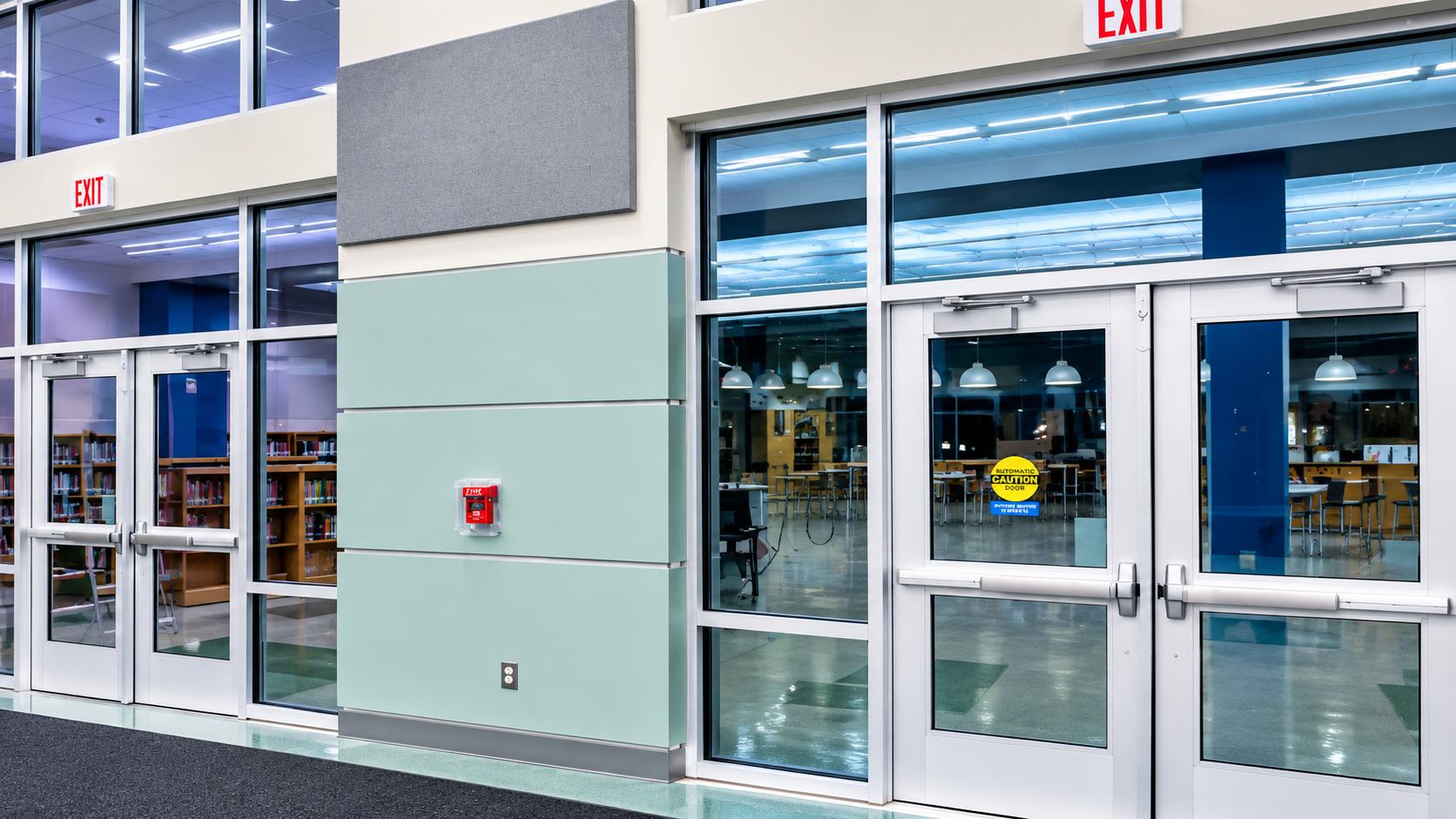
Commercial properties often have extensive areas of glass, including storefronts, lobby windows, glass doors, office windows, and ground floor glazing. While these windows provide natural light and visibility, they can also become vulnerable points during accidental impacts, vandalism, smash and grab attempts, or other security incidents. This is where the difference between security window film and standard window tint becomes important.
Standard window tint is generally selected for purposes such as reducing glare, managing solar heat, improving occupant comfort, increasing privacy, or changing the appearance of a building. Security window film has a different primary purpose. It is designed to help hold broken glass together and, when used as part of an appropriate attachment system, can help delay forced entry.
For property managers, the decision should therefore be based on what the building needs the window film to accomplish. If the objective is primarily comfort and solar control, standard tint may be appropriate. If the objective includes glass safety and improved resistance to forced entry, a dedicated security or safety film system deserves consideration.
What Is a Standard Window Tint?
Standard window tint generally refers to films designed to modify the optical or solar performance of glass. Depending on the product, window tint may reduce glare, control solar heat, provide privacy, or limit ultraviolet transmission.
These characteristics can make standard tint useful in offices, retail properties, commercial buildings, and other spaces where excessive sunlight affects occupants, furnishings, or indoor comfort. However, standard tint should not automatically be treated as a security product.
A film designed primarily for solar or aesthetic performance is not necessarily engineered to retain broken glass or delay forced entry. The fact that a film is applied to the glass does not mean that it provides the same protection as a dedicated security window film.
What Is a Security Window Film?
Security window film is designed to improve the performance of existing glass when it breaks. The film adheres to the glass and helps hold broken fragments together rather than allowing the pieces to separate and scatter as easily.
This can provide an important safety benefit in commercial properties. In an accidental impact or other glass breakage event, retaining fragments can help reduce the risk associated with flying or falling glass. Manufacturers also position certain security film systems as a way to help delay forced entry when combined with appropriate attachment methods.
For example, 3M states that its Safety & Security Window Films can help hold broken glass in place and, when combined with its Impact Protection Attachment system, can help delay potential forced entry. The manufacturer also makes clear that the films are not bulletproof and are not designed to completely stop intruders.
This distinction is important for property managers because security film should be viewed as one layer within a broader building security strategy, not as a replacement for doors, locks, alarms, cameras, access control, or other security measures.
The Main Difference Between Security Film and Standard Tint
The biggest difference is the intended performance. Standard window tint is primarily concerned with solar, optical, privacy, or aesthetic performance. Security window film is primarily concerned with glass fragment retention and, in appropriate systems, delaying forced entry. This means two films can look similar after installation but perform very differently when the glass is impacted.
A standard tinted window may still break and allow fragments to fall or scatter. A properly selected safety or security film can help keep those fragments together after breakage. For property managers, this distinction becomes particularly important when managing buildings with vulnerable ground floor glazing, high pedestrian traffic, valuable interiors, or security concerns.
Security Benefits of Security Window Film
Security window film can help strengthen glass against impacts, making it more difficult for the glass to shatter and scatter when struck. This added layer can help improve safety and provide an additional security measure for homes, offices, storefronts, and commercial properties. Depending on the product and installation, security window film may also help hold broken glass together, potentially reducing the risk of injury and limiting damage after an impact.
Helps Hold Broken Glass Together
One of the primary benefits of security window film is glass fragment retention. When ordinary glass breaks, it can separate into numerous sharp pieces. At Palm Beach Tint Pros, we understand that depending on the location of the window, those fragments can create risks for occupants, employees, customers, and visitors.
Security and safety films are designed to bond to the glass and help retain broken fragments. This can reduce the amount of loose glass created during certain breakage events. This does not mean the glass cannot break. Instead, the objective is to change what happens after the glass breaks.
Can Help Delay Forced Entry
Security film can also provide a security benefit during smash and grab or forced entry attempts. A security film system can make it more difficult for an intruder to create an immediate opening after breaking the glass. Depending on the product and installation system, the film can help keep the broken glazing together and increase the effort required to penetrate the opening.
3M specifically describes its commercial safety and security film systems as helping to delay potential intruders and provide additional response time when the film is combined with an appropriate impact protection attachment system. That additional time can be valuable because commercial security is often about delaying an event long enough for alarms, security personnel, law enforcement, or other response measures to become effective.
Helps Reduce Flying Glass Hazards
Security window film can also be considered where accidental glass breakage is a concern. A broken window in a lobby, school, office, retail property, or other occupied area can create a hazard for people nearby. A film designed for fragment retention can help keep broken pieces attached to the film instead of allowing them to scatter as freely.
This makes safety window film relevant even when forced entry is not the primary concern. For property managers, the distinction between security and safety benefits can help determine which film specification is appropriate for different areas of the property.
Security Window Film Is Not Bulletproof Glass
One of the most important points for property managers is understanding what security window film cannot do. The security window film is not bulletproof. It is not a substitute for ballistic rated glazing, and it should not be specified where a project requires ballistic protection.
3M explicitly states that its safety and security films are not bulletproof and are not designed to stop intruders completely. Security film is better understood as a protective layer that can help retain broken glass and, in suitable systems, delay forced entry. If a property has a documented ballistic threat, the glazing system should be evaluated separately by qualified security and design professionals.
Why Frame Attachment Matters
The film itself is only part of a security glazing system. For certain forced entry applications, the way the film is attached to the window frame can affect the overall performance. Some systems use an attachment method or sealant to connect the film to the frame rather than relying solely on adhesion to the glass.
3M’s commercial security systems, for example, can be combined with its Impact Protection Attachment system to provide additional protection and help delay forced entry. This is why property managers should avoid selecting a security film based solely on thickness. The appropriate product should be evaluated as a complete system, including the glass, film, frame, attachment method, and installation procedure.
Standard Tint vs Security Window Film for Commercial Properties
Standard tint may be suitable for commercial properties where the primary goals are solar control, glare reduction, privacy, or appearance. Businesses looking for more flexible privacy control may also consider Commercial Smart Film, which can switch between transparent and private states depending on the product and installation. Smart film can be particularly useful in conference rooms, executive offices, healthcare spaces, storefronts, and other areas where privacy needs can change throughout the day.
However, Commercial Smart Film serves a different purpose from security window film. Smart film is primarily designed for privacy and visual control, while security film is intended to help retain broken glass and, in suitable systems, delay forced entry. Property managers should therefore evaluate these products based on the specific function they need the glazing to perform.
Security Film vs Safety Film
The terms safety window film and security window film are sometimes used interchangeably, but the intended performance should be clarified before purchasing. Safety film generally focuses on retaining broken glass and reducing the hazards associated with glass breakage.
Security film can provide those benefits while also being designed to help delay forced entry, depending on the product and installation system. The distinction is particularly important for commercial projects. Property managers should ask installers to identify the specific performance claims of the proposed product instead of relying on broad labels such as “protective film” or “security tint.”
Where Commercial Security Film May Be Useful
Security window film can be considered for areas where glass presents a particular safety or security concern. Ground floor storefronts are one example. These windows can be accessible from public areas and may be exposed to accidental impacts, vandalism, or forced entry attempts.
Glass entry doors and sidelights may also deserve attention because they are part of frequently used entrances and can be vulnerable during security incidents. Lobby glazing, office windows, schools, healthcare facilities, and other occupied buildings may also benefit from improved glass fragment retention where the risk assessment supports it. The appropriate application depends on the building’s construction, glass type, threat environment, and performance objectives.
What Property Managers Should Consider Before Choosing Film
Before specifying security window film, property managers should first identify the actual problem they are trying to solve. If the primary concern is heat and glare, a solar control film may be more appropriate. For marine properties, Marine Window Film can also be considered when managing solar exposure and improving comfort on boats or waterfront spaces. If the concern is accidental breakage and flying glass, a safety film may be suitable. If forced entry is a concern, a security film system with appropriate attachment should be evaluated.
The existing glass also matters. Film should be compatible with the glazing system, and the manufacturer’s technical requirements should be followed. Installation quality is equally important. A security film system that is incorrectly installed may not deliver the performance expected by the property owner or manager. Property managers should therefore evaluate the installer as carefully as the film itself.
How Much Does Security Window Film Improve Building Security?
Security film can improve the security performance of vulnerable glazing, but it should not be described as making a building completely secure. Its value comes from adding another layer of resistance to an existing window system. By helping retain broken glass and, in properly designed systems, delaying penetration, security film can make a glass opening more difficult to breach quickly.
The objective is often to increase the time and effort required for an attack rather than make the glass impossible to break. That distinction is important when developing a realistic commercial security plan.
Security Window Film and Existing Windows
One reason property managers consider security film is that it can be installed on existing glazing rather than requiring immediate replacement of every window.
3M describes safety and security window film as a way to upgrade existing glass performance and notes that these solutions can be used for applications involving break and entry, spontaneous glass breakage, and other safety concerns.
This can make film an attractive option when a property needs to improve glazing protection without undertaking a major window replacement project. However, the existing glass and frame system should still be evaluated before installation.
Choosing Commercial Security Film
When comparing commercial security film products, property managers should look beyond appearance and film thickness. Ask about the intended application, glass compatibility, tested performance, installation requirements, attachment system, warranty, and maintenance expectations.
It is also important to determine whether the quoted performance applies to the film alone or to a complete tested assembly. 3M specifically recommends that safety films be specified according to performance and third party testing rather than film thickness alone. This approach can help prevent a common purchasing mistake: assuming that a thicker film is automatically the safest or most effective option.
Final Thoughts
Security window film and standard window tint may look similar, but they are designed to solve different problems. Standard tint primarily addresses solar, visual, privacy, and aesthetic concerns. Security window film focuses more heavily on what happens when glass breaks and, in appropriate systems, how difficult it is to quickly breach the opening.
For property managers, the right decision depends on the building’s security risks, existing glazing, occupant safety requirements, and overall security strategy. The most effective approach is to evaluate the complete glazing system rather than choosing a product based solely on tint level, appearance, or film thickness. A qualified installer can help determine whether standard tint, safety window film, security film, or a combined solution is appropriate for the property.