
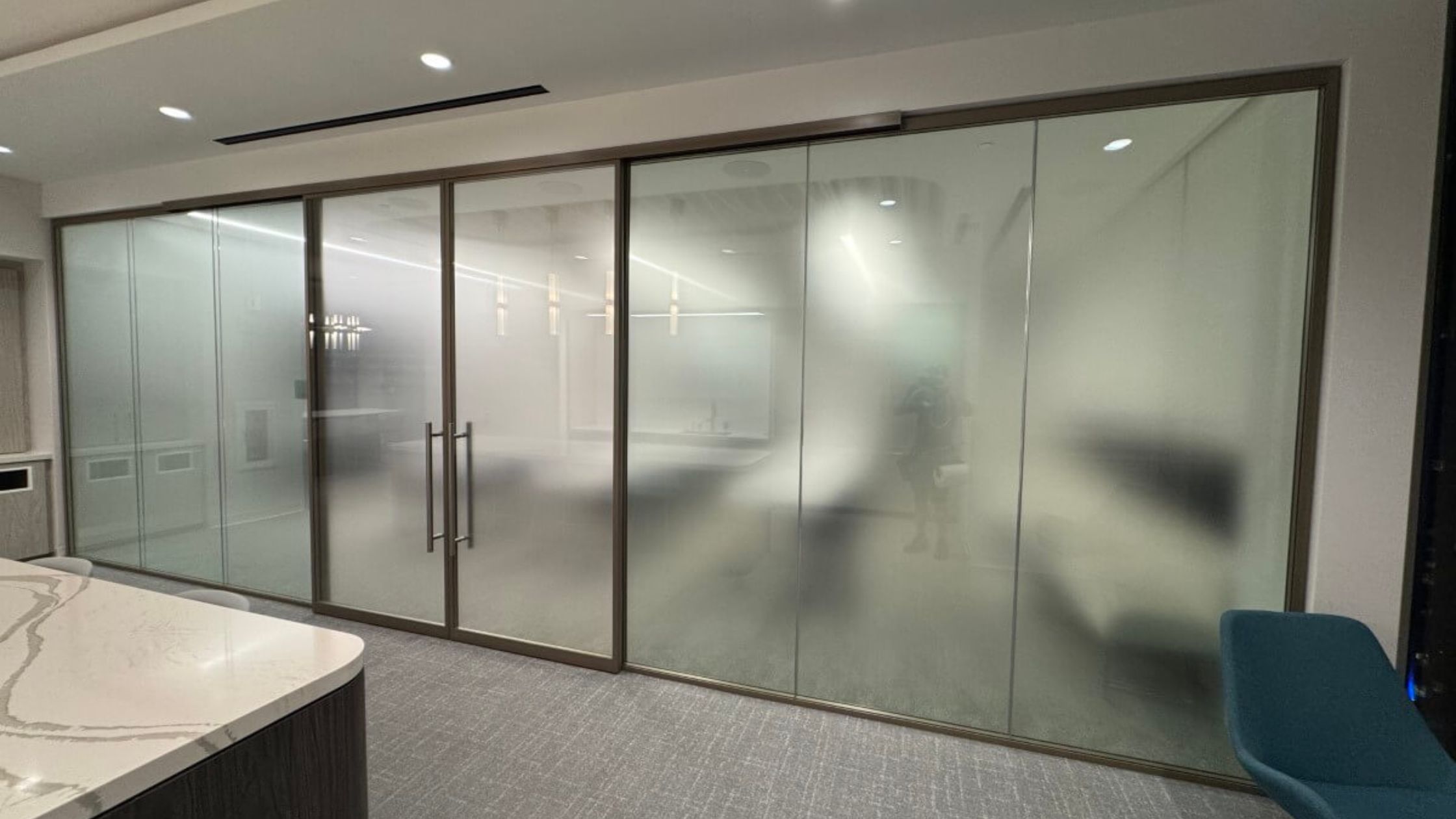
A comfortable workplace can have a meaningful impact on how employees feel and perform throughout the day. Office environments with excessive sunlight, uncomfortable temperatures, screen glare, or inconsistent lighting can make it harder for employees to concentrate and stay productive. For businesses looking for practical ways to improve their work environment, office window tint can provide a useful solution.
Office window films are designed to improve the performance of existing glass without requiring businesses to replace their windows. Depending on the type of film selected, window film can help reduce glare, manage solar heat, improve privacy, and create a more comfortable workplace.
For business owners, investing in commercial window film is not simply about changing the appearance of office windows. It can be part of a broader strategy for creating a more functional and comfortable working environment.
What Is Office Window Tint?
Office window tint refers to a window film applied to the glass surfaces of commercial buildings. The film can be designed to address specific workplace concerns, including excessive sunlight, glare, solar heat, privacy, and visual comfort.
Modern commercial window films are available in different shades and performance levels. Some are designed to provide significant solar control while maintaining natural daylight, while others may focus more heavily on privacy or appearance. The appropriate film depends on the building, window orientation, employee workspace, and specific goals of the business.
Reducing Glare in the Workplace
One of the most noticeable problems caused by large office windows is excessive glare. Sunlight entering through windows can reflect from computer monitors, desks, floors, and other surfaces. Employees who work with computers throughout the day may have difficulty seeing their screens when direct sunlight reaches their workspace.
This can lead to employees adjusting their monitors, closing blinds, changing seating positions, or constantly repositioning themselves to avoid bright areas.
Glare reduction through office window film can help create a more visually comfortable environment. By controlling the amount and intensity of sunlight entering the office, window film can reduce harsh reflections while still allowing useful natural light into the workspace.
Improving Workplace Comfort
Temperature differences are another common issue in offices with extensive glass. Windows exposed to direct sunlight can allow significant solar heat to enter a room. As a result, areas near windows may become noticeably warmer than interior portions of the office.
Employees sitting close to sunny windows may experience discomfort even when the building’s overall temperature appears reasonable. Commercial window film can help manage solar heat entering through the glass. This can contribute to more consistent indoor comfort, particularly in areas that receive strong sunlight during parts of the day. Improved workplace comfort can make the office environment more pleasant for employees.
Supporting Employee Concentration
Employees need a comfortable environment to focus on their responsibilities. Constant glare, excessive brightness, or uncomfortable temperatures can become distractions throughout the workday. While window film cannot solve every workplace productivity challenge, reducing these environmental distractions can make it easier for employees to maintain focus.
An office with balanced natural light and fewer visual distractions can create a more comfortable setting for computer based work, meetings, communication, and other daily activities. Creating a better physical environment is one part of supporting employee productivity.
Maintaining Natural Daylight
One concern some businesses have about window tinting is that it may make an office too dark. The right commercial window film does not necessarily require eliminating natural light. Different films allow different amounts of visible light to pass through the glass.
This gives businesses the opportunity to reduce excessive glare and solar exposure while maintaining natural daylight. Natural light can contribute to a more pleasant workplace environment, so selecting a film that balances light control with daylight is important.
Reducing Screen Glare for Computer Users
Modern workplaces rely heavily on computers, monitors, tablets, and other digital displays. When sunlight strikes a screen directly, employees may struggle to read text or view images clearly. They may increase screen brightness, move equipment, or use blinds to compensate.
Over time, these adjustments can make work less convenient and contribute to visual discomfort. Office window tint can help reduce the intensity of incoming sunlight and minimize reflections on screens. This can be especially valuable in offices with large windows or workstations positioned near exterior glass.
Helping Manage Solar Heat
Solar heat entering through windows can affect indoor temperatures and increase the workload placed on a building’s cooling system. During sunny periods, untreated windows can allow substantial heat to enter an office. This can make certain rooms more difficult to keep comfortable.
Commercial glass tinting can help reduce solar heat transmission through windows. The level of heat reduction depends on the specific film selected, the existing glass, window orientation, and other building conditions. For businesses dealing with persistent hot spots near windows, window film may be one option worth evaluating.
Creating More Consistent Office Temperatures
Temperature consistency can be particularly challenging in open plan offices. Employees located near sunny windows may feel warmer than employees working farther away from the glass. This can lead to disagreements over thermostat settings and make it difficult to create a comfortable temperature for everyone.
By helping control solar heat at the window, commercial film can contribute to more consistent conditions throughout the workspace. A more balanced environment can help employees spend less time adjusting to temperature differences and more time focusing on their work.
Improving Privacy in Office Spaces
Some office window films can also provide privacy benefits. Businesses located near busy streets, neighboring buildings, or public areas may want to limit visibility into certain rooms. Privacy focused films can make it more difficult for people outside the building to see directly into an office while still allowing some natural light to enter.
Privacy can be particularly important for conference rooms, executive offices, healthcare environments, financial businesses, and other spaces where sensitive conversations or information may be handled. The level of privacy depends on the type of film selected.
Supporting a More Professional Office Environment
The appearance of an office can influence how employees, customers, clients, and visitors perceive the business. Consistent window film can provide a more uniform appearance across a building’s glass surfaces. Certain films can create a subtle, professional look without requiring extensive changes to the existing windows.
For businesses renovating an office or updating an older commercial property, window film can be one relatively straightforward way to improve the appearance and functionality of existing glass.
Window Film and Energy Management
Managing solar heat can also play a role in a building’s overall energy strategy. When less solar heat enters through windows, the cooling system may not need to work as hard to maintain comfortable indoor conditions during periods of strong sunlight.
Actual energy savings depend on many factors, including the building’s size, insulation, HVAC system, window area, climate, window orientation, and selected film. At Palm Beach Tint Pros, we recommend viewing commercial window film as one component of a broader building efficiency strategy rather than a standalone solution.
Why Existing Windows May Not Need to Be Replaced
Replacing commercial windows can be a major project. It may involve significant costs, construction time, interior disruption, and changes to the building’s appearance. In some situations, existing windows are structurally sound but allow excessive glare or solar heat.
Window film can provide a way to improve the performance of existing glass without completely replacing the window system. This can make it a practical option for businesses that want to address specific window related problems without undertaking a full renovation.
Choosing the Right Office Window Film
A business with severe computer screen glare may prioritize glare control. An office that becomes excessively hot in the afternoon may be more concerned with solar heat reduction. A company located on a busy street may place greater importance on privacy.
Window orientation should also be considered. South and west facing windows may receive significant sunlight during certain times of the day, while other windows may have different exposure levels. A professional assessment can help determine which film characteristics are most appropriate for the building.
Professional Commercial Glass Tinting
Commercial glass tinting requires accurate measurements, thorough glass preparation, careful film application, and attention to the condition of the existing windows.
Professional installers can also help identify potential concerns before installation, including damaged glass, difficult to access windows, existing films, or unusual window configurations. Proper preparation and installation can help create a cleaner and more consistent finished appearance.
What Businesses Should Expect During Installation
The installation process generally begins with an evaluation of the windows and a discussion of the business’s goals. The glass is then carefully cleaned and prepared before the film is measured and applied. Installation methods vary depending on the type of film and window configuration.
Businesses may be able to schedule installation in stages to minimize disruption to employees and daily operations. After installation, the film requires time to cure. During this period, the appearance of the film may temporarily change as moisture beneath the material gradually evaporates.
Maintaining Office Window Film
Once properly installed and cured, commercial window film generally requires routine cleaning. Businesses should follow the manufacturer’s or installer’s recommendations regarding cleaning products and tools. Abrasive materials should be avoided because they may scratch the film.
Regular, gentle cleaning can help maintain the appearance of the glass and film. If the office has a professional cleaning service, the staff should be informed that window film has been installed so appropriate cleaning methods can be used.
Conclusion
Office windows provide valuable natural light, but uncontrolled sunlight can also create glare, heat, and comfort problems for employees. Office window tint can help address these issues by controlling sunlight entering through commercial glass while maintaining a more comfortable and functional workplace.
From glare reduction and solar heat management to improved privacy and more consistent workplace comfort, commercial window film can provide several practical benefits. It can also improve existing windows without requiring a complete replacement project.
For businesses considering commercial glass tinting, selecting the right film and ensuring professional installation are important steps. By evaluating the building’s windows, employee work areas, sunlight exposure, and specific comfort concerns, business owners can choose a window film solution that supports a more comfortable and productive office environment.