
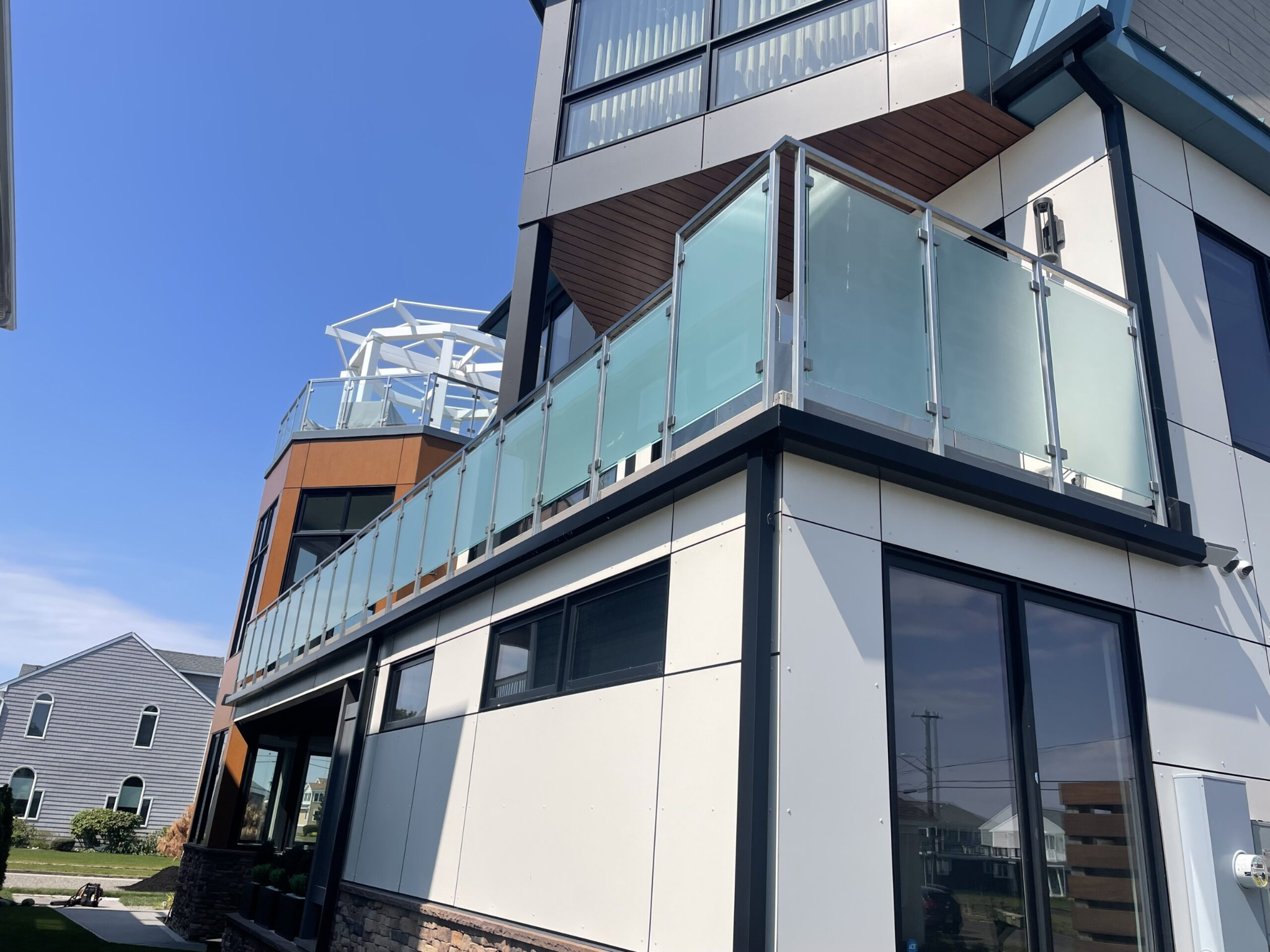
Florida living comes with bright sunshine, warm temperatures, and long summers. While natural light is a welcome feature in most homes, the heat that enters through untreated windows can quickly make indoor spaces uncomfortable. Many homeowners rely heavily on air conditioning to cope, often resulting in high energy bills and uneven cooling throughout the house.
Residential window tinting offers a practical and effective way to manage indoor temperatures. By reducing heat, blocking infrared radiation, and limiting UV exposure, modern window films help create a cooler and more comfortable home environment. Options such as ceramic tint for homes are especially popular in Florida because they improve comfort without reducing visibility.
This guide explains how window tinting works, why it is well suited to Florida homes, and how it contributes to long-term comfort and energy efficiency.
Why Florida Homes Heat Up So Quickly
Florida’s climate exposes homes to strong sunlight for most of the year. Windows allow sunlight to enter freely, but they also allow solar heat to build up indoors, especially during peak daytime hours.
Main reasons indoor heat builds up
- High solar exposure
Florida receives intense and consistent sunlight, particularly in coastal regions. Large windows and glass doors allow solar energy to pass through, increasing indoor temperatures throughout the day. - Infrared heat penetration
Infrared radiation is responsible for most indoor heat gain. Standard glass does little to block infrared energy, allowing it to warm interior surfaces and air. - Limited UV reduction
Untreated windows provide minimal UV protection. Over time, UV rays contribute not only to heat buildup but also to fading of furniture, flooring, and fabrics. - Uneven room temperatures
Rooms that receive direct sunlight often feel significantly warmer than shaded areas. This imbalance makes it harder to maintain consistent comfort across the home.
Residential window tinting addresses these challenges by controlling how sunlight and heat enter through the glass.
What Is Residential Window Tinting
Residential window tinting involves applying a thin, transparent film to the interior side of window glass. These films are designed to reduce heat transfer, block harmful rays, and improve indoor comfort without changing the structure of the window.
Residential window films are available in different types, including ceramic tinting for homes, privacy tinting, and decorative window tint. Each option serves a specific function depending on whether the priority is comfort, privacy, or appearance.
How Ceramic Tint for Homes Works
Ceramic tint for homes uses advanced, non-metallic ceramic particles embedded within the film. Unlike older tinting technologies, ceramic films are engineered to manage heat efficiently while preserving natural light.
How ceramic window film improves indoor comfort
- Infrared blocking film technology
Ceramic tint blocks a high percentage of infrared radiation, which is the main source of heat entering through windows. This helps reduce the warming effect of sunlight indoors. - Effective heat rejection tint
By reflecting and absorbing solar heat, ceramic films reduce the amount of heat that passes through the glass. This results in noticeably cooler rooms during sunny conditions. - Clear and natural visibility
Ceramic tinting for homes reduces heat without darkening windows excessively. Homeowners can enjoy natural daylight and outdoor views without added glare. - No electronic interference
Because ceramic films contain no metal, they do not interfere with Wi-Fi, mobile signals, or smart home systems, making them suitable for modern households.
These features make ceramic tint for homes a reliable option for residential window tinting in Florida.
Key Benefits of Residential Window Tinting
Improved indoor comfort
Residential window tinting helps regulate indoor temperatures by reducing solar heat gain through glass. Rooms exposed to direct sunlight feel cooler and more comfortable throughout the day.
Reduced cooling system workload
By limiting the amount of heat entering the home, window tinting reduces the strain on air conditioning systems. This can help maintain consistent indoor temperatures with less effort.
UV reduction for interior protection
High-quality residential window films block up to 99 percent of UV rays. This protects furniture, flooring, artwork, and fabrics from fading and long-term damage.
Glare reduction without blocking light
Window tinting reduces harsh glare from direct sunlight while still allowing natural light to enter. This improves comfort in living spaces, home offices, and media rooms.
Added daytime privacy
Residential privacy window film limits outside visibility during daylight hours. This allows homeowners to enjoy natural light while maintaining privacy from neighbouring properties or the street.
Types of Residential Window Films Compared
Window Film Type | Primary Function | Heat Reduction Level | Visual Appearance |
Ceramic tint for homes | Heat and infrared control | High | Clear |
Infrared blocking film | Solar heat reduction | High | Lightly tinted |
Energy-saving window film | Overall efficiency | Moderate | Clear |
Frosted tint for home | Privacy | Low | Opaque |
Decorative window tint | Style and privacy | Low to moderate | Patterned |
Understanding these options helps homeowners select the right residential window film based on comfort, privacy, and design needs.
How Window Tinting Supports Energy Efficiency
Energy-saving window film works alongside insulation and air conditioning systems to improve overall efficiency. While window tinting does not replace cooling systems, it helps reduce heat gain that increases cooling demand. In commercial environments, protective solutions like anti graffiti glass film also help preserve glass surfaces while supporting overall building efficiency.
Ways window tinting supports energy efficiency
- Limits solar heat entry
Heat rejection tint reduces the amount of solar energy entering through windows, helping indoor spaces stay cooler during peak sunlight hours. - Maintains stable indoor temperatures
By reducing temperature fluctuations between rooms, window tinting helps maintain a more balanced indoor climate throughout the home. - Supports lower energy use
When less heat enters the home, cooling systems operate more efficiently. This can contribute to reduced energy consumption over time.
For heat-conscious homeowners, residential window tinting is a practical part of a broader home cooling strategy.
Privacy and Decorative Window Tinting for Homes
Residential window tinting is not limited to heat control. Many homeowners also use window films to enhance privacy and add visual interest to glass surfaces.
Privacy tinting for residential spaces
Residential privacy window film is commonly applied to street-facing windows, bathrooms, entryways, and sliding doors. These films reduce visibility from outside while still allowing natural light inside.
Decorative window tint for homes
Decorative window tint includes patterned and textured films that add visual appeal. These films are often used on interior glass, front doors, and partitions to provide privacy without permanent changes.
Residential vs Commercial Window Tinting
Residential and commercial window tinting share similar materials but serve different needs.
Residential window tinting focus
- Improving comfort in living spaces
- Reducing heat and glare
- Providing UV protection
- Enhancing privacy and aesthetics
Commercial window tinting focus
- Managing heat in large buildings
- Reducing glare in office environments
- Applying commercial privacy film to meeting rooms
- Supporting consistent indoor temperatures
Some providers also offer marine window tinting, safety and security window film, and surface protection film for specialised applications.
Window Tinting for Homes in West Palm Beach
Homes in coastal regions experience strong sunlight year-round. Window tinting in West Palm Beach homeowners often prioritises ceramic tinting for homes because it balances heat rejection with clear visibility.
Professional residential window tinting in st Palm Beach services ensure proper installation and long-term performance, especially in humid coastal environments.
Installation Considerations for Home Window Tinting
Professional residential window film installers assess several factors before installation to ensure optimal results.
Factors typically evaluated before installation
- Window orientation and sun exposure
- Type and thickness of glass
- Desired heat rejection level
- Privacy and visibility preferences
- Compatibility with existing windows
Residential glass tinting is usually applied to the interior surface of windows for durability and consistent performance.
Maintenance and Long-Term Performance
Residential window tinting is designed to be low maintenance once installed. Most films require only gentle cleaning with non-abrasive materials.
Long-term benefits of window tinting
- Consistent heat and UV protection over time
- Minimal maintenance requirements
- Long-lasting performance when properly installed
This makes home window tinting a durable and reliable comfort solution.
Conclusion
Residential window tinting provides Florida homeowners with an effective way to manage heat, protect interiors, and improve everyday comfort. Ceramic tint for homes stands out for its ability to block infrared heat while maintaining clear views and natural light. By reducing solar heat gain through windows, tinting helps create more balanced indoor temperatures and minimizes glare in sun-exposed rooms, while protective solutions like countertop protection film can also help preserve interior surfaces during renovations or daily use. As part of a well-planned home cooling approach, window tinting offers long-term comfort well suited to Florida’s climate while supporting energy efficiency throughout the home.