
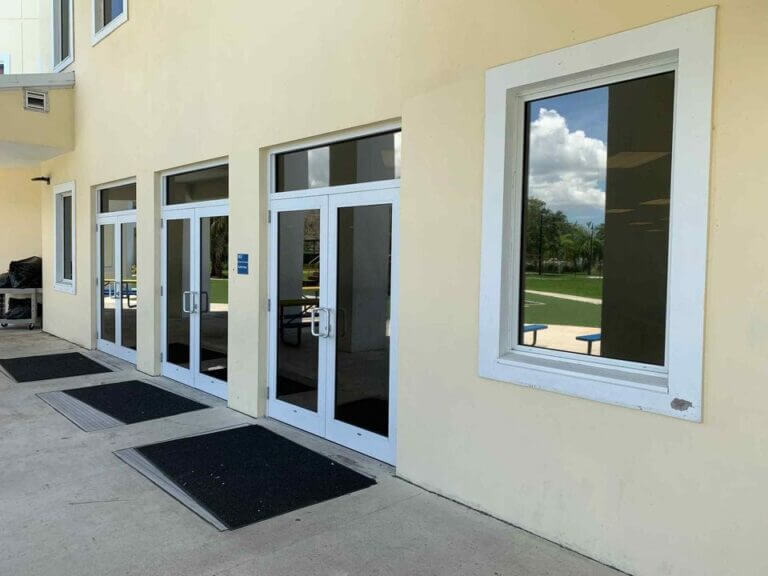
Glass is a defining feature of modern architecture. Homes, offices, storefronts, and marine vessels increasingly rely on large glass surfaces to bring in light and create open, welcoming environments. However, glass also introduces challenges related to privacy, heat, glare, and safety. Privacy window film offers a practical solution that improves comfort and protection without altering the structure of the space.
This guide explores how privacy window film works, where it is used, and why it has become an essential part of modern window tinting services for both residential and commercial users. From home tinting to commercial privacy film and decorative glass films, the right solution can enhance daily comfort while addressing safety concerns.
What Is Privacy Window Film
Privacy window film is a thin, durable material applied directly to glass surfaces. Its purpose is to limit visibility through the glass while still allowing natural light to enter. Depending on the type of film, it can fully obscure views, partially blur interiors, or create a one way vision effect.
Privacy tinting is widely used in residential window tinting, commercial window tinting, and specialty applications such as marine window tinting. Unlike curtains or blinds, window films are permanent, low maintenance, and function throughout the day.
Why Privacy Matters in Modern Spaces
Privacy concerns are no longer limited to bedrooms or bathrooms. Today, people seek home and office privacy in open plan environments, glass meeting rooms, street facing windows, and even boats and yachts.
Key reasons privacy window film is increasingly used include:
- Increased use of glass in architecture
- Growing urban density
- Greater awareness of personal and workplace safety
- Desire for natural light without constant visibility
Window tinting services address these needs without blocking views entirely or compromising design.
Types of Privacy Window Films Explained
Different environments require different levels of privacy and protection. Below are the most commonly used privacy window film types.
Reflective privacy film
Reflective privacy film creates a mirror like appearance on the exterior side of the glass during daylight hours. It limits visibility from outside while maintaining outward views from inside.
Common uses include:
- Residential window tinting in west palm beach properties with street facing windows
- Commercial window tinting for offices and storefronts
- Tinting for businesses located in high traffic areas
Reflective films also contribute to heat and glare reduction, improving indoor comfort.
Frosted tint and decorative films
Frosted tint for home and office spaces diffuses light evenly across the glass. It provides consistent privacy without darkening interiors.
Decorative glass films are frequently used for:
- Residential privacy window film in bathrooms and bedrooms
- Decorative tinting for offices and conference rooms
- Decorative window tint for homes seeking a modern look
These films are part of interior tinting solutions where visual softness and privacy are both important.
Blackout film
Blackout film blocks visibility entirely and significantly reduces light transmission. It is suitable for areas where complete privacy is required.
Typical applications include:
- Storage areas
- Medical facilities
- Specialized commercial spaces
Blackout film is less common in living spaces but remains valuable in specific commercial window film installations.
One way vision film
One way vision film allows visibility from one side while restricting it from the other. Its effectiveness depends on lighting conditions.
It is commonly used in:
- Commercial privacy film installations
- Office glass walls
- Marine window tinting where interior visibility is important
How Privacy Window Film Improves Comfort
Comfort is not only about temperature. Privacy window film enhances overall well being in several ways.
Visual comfort and glare reduction
Sunlight reflecting off untreated glass can cause eye strain and discomfort. Privacy tinting softens incoming light and reduces glare, making indoor environments more comfortable.
This is particularly beneficial for:
- Home window tinting service applications
- Office spaces with screens and monitors
- Decorative tinting for offices and shared work areas
Thermal comfort and heat control
Many privacy window films also provide heat rejection. This helps regulate indoor temperatures and supports ceramic tinting for homes and commercial properties.
Benefits include:
- Reduced heat buildup near windows
- More stable indoor temperatures
- Improved comfort in warm climates such as West Palm Beach
This makes residential glass tinting and commercial tinting practical for year round comfort.
Consistent privacy without adjustments
Unlike curtains or blinds, privacy window film does not require daily adjustment. It offers consistent privacy throughout the day.
This is valuable for:
- Residential home window tinting
- Office environments requiring constant discretion
- Marine window tinting where space and functionality matter
How Privacy Window Film Enhances Safety and Protection
In addition to comfort, privacy window film contributes to safety and glass protection.
Added glass strength
Many privacy films are also safety and security window film products. When glass breaks, the film helps hold fragments together.
This reduces:
- Risk of injury
- Property damage
- Exposure during accidents or storms
Glass protection film is often paired with privacy tinting for added peace of mind.
Reduced visibility for security
Limiting visibility into a space reduces opportunities for theft or unwanted attention.
This is important for:
- Residential privacy window film applications
- Commercial privacy film for offices and retail
- Marine window film used on boats and yachts
UV protection
Most residential window films and commercial window films block harmful UV rays. This protects interiors and surfaces from fading and degradation.
UV protection benefits:
- Furniture and flooring
- Decorative glass films and interior finishes
- Countertop protection film and surface protection film applications
Residential Applications of Privacy Window Film
Privacy window film is widely used in residential settings to enhance comfort and functionality.
Common residential uses
- Frosted tint for home bathrooms and bedrooms
- Reflective privacy film for street facing windows
- Residential window tinting west palm beach homes exposed to strong sunlight
- Decorative window tint for homes seeking visual enhancement
Residential window film installers tailor solutions based on privacy needs, lighting, and design preferences.
Benefits for homeowners
Residential tinting offers:
- Improved privacy without sacrificing light
- Reduced heat and glare
- Added safety and glass protection
- Low maintenance alternative to curtains
Home tinting integrates easily into modern living spaces.
Commercial Applications of Privacy Window Film
Commercial spaces rely heavily on glass, making privacy window film an essential tool.
Common commercial uses
- Frosted privacy tint office meeting rooms
- Commercial privacy film for storefronts
- Decorative film for glass partitions
- Tinting for businesses handling sensitive information
Commercial window tinting companies often combine privacy tinting with energy control and safety solutions.
Benefits for businesses
Commercial tinting supports:
- Employee comfort and focus
- Client confidentiality
- Reduced glare and heat
- Improved safety through glass protection film
Commercial window film solutions are adaptable across industries.
Specialty Applications: Marine and Decorative Films
Privacy window film extends beyond homes and offices.
Marine window tinting
Marine window film is designed for boats and yachts where glare, heat, and privacy are constant concerns.
Applications include:
- Boat window tinting
- Yacht tinting
- Ceramic tint for boats
These films withstand moisture, salt exposure, and intense sunlight.
Decorative glass films
Decorative films for windows combine privacy with design. They are commonly used in:
- Decorative tinting for offices
- Decorative window tint for homes
- Interior tinting for modern interiors
They allow creativity without permanent glass modification.
Comparison of Privacy Window Film Types
Film Type | Privacy Level | Light Transmission | Common Uses |
Reflective privacy film | High daytime privacy | Medium | Homes, offices, storefronts |
Frosted tint | Consistent privacy | High | Bathrooms, offices, interiors |
Blackout film | Complete privacy | Low | Storage, medical spaces |
One way vision film | Directional privacy | Medium | Offices, marine applications |
Choosing the Right Privacy Window Film
Selecting the right film depends on:
- Level of privacy required
- Amount of natural light desired
- Safety and glass protection needs
- Residential or commercial setting
Residential window film installers and commercial window tinting companies assess these factors before recommending solutions.
Maintenance and Longevity
Privacy window films are designed for durability. With proper installation and care:
- Films last for many years
- Cleaning requires only mild solutions
- Performance remains consistent over time
This makes window tinting services a long term investment in comfort and safety.
Final Thoughts
Privacy window film offers a balanced approach to comfort and protection across residential, commercial, and specialty spaces. By improving privacy, controlling light, enhancing safety, and protecting interiors, it has become an essential part of modern window tinting services, particularly in applications such as frosted privacy tint office solutions where consistent discretion and light diffusion are essential.
Whether used in homes, offices, or marine environments, privacy window film provides practical benefits without altering the character of the space. Its versatility, durability, and functionality make it a reliable solution for modern glass environments.