
In warm climates, cooling costs can quickly become one of the biggest expenses for both homes and businesses. With strong sunlight, high outdoor temperatures, and long cooling seasons, air conditioning systems often have to work overtime. As energy costs continue to rise, many property owners look for practical ways to lower expenses without sacrificing comfort or investing in major upgrades. One option gaining attention is energy-saving window tint, which works directly on the glass to reduce heat before it enters a space. In this article, we will look at how window films help with AC cost reduction, improve thermal comfort, and provide added benefits like UV protection across residential and commercial settings.
Why Cooling Costs Are High in Warm Climates
Understanding how heat enters a building helps explain why cooling expenses rise so quickly.
Solar heat gain through windows
Windows allow natural light into a building, but they also allow solar heat to pass through the glass. In warm climates, sunlight striking untreated windows can significantly increase indoor temperatures, especially during peak daylight hours.
Increased demand on air conditioning
When indoor temperatures rise, air conditioning systems must work harder and longer to maintain comfort. This leads to higher electricity usage, increased wear on HVAC systems, and higher monthly energy bills.
Uneven indoor temperatures
Rooms with large windows often feel warmer than shaded areas. This imbalance reduces comfort and encourages lower thermostat settings, which further increases energy consumption.
What Is Energy-Saving Window Tint
Energy-saving window tint is a type of window film designed to reduce heat transfer through glass. It works by reflecting, absorbing, or rejecting solar energy, particularly infrared radiation, which is responsible for most heat buildup indoors.
These films can be applied to existing windows in homes, offices, retail spaces, and other structures. Unlike decorative or privacy-only films, energy focused window tinting prioritises heat control while maintaining usable daylight.
How Window Films Reduce Cooling Costs
Window films contribute to lower cooling costs in several direct and measurable ways.
Reducing heat before it enters the building
Solar film and heat blocking film limit the amount of solar energy that passes through the glass. By stopping heat at the window, indoor temperatures remain more stable throughout the day.
Supporting AC cost reduction
With less heat entering the space, air conditioning systems cycle less frequently. This reduces energy usage, helping property owners manage cooling expenses more effectively during warmer months.
Improving thermal comfort
By minimising heat build up near windows, window films help maintain even temperatures across rooms. This improves overall thermal comfort without constant thermostat adjustments.
Preserving natural light
Modern energy-saving window tint is designed to control heat without darkening interiors excessively. This allows spaces to remain bright while still benefiting from heat reduction.
Solar Film vs Heat Blocking Film
Different types of window films serve different purposes. Two of the most common for energy efficiency are solar film and heat blocking film.
Solar film
Solar film reflects and rejects a high percentage of solar energy. It is commonly used on windows exposed to direct sunlight for extended periods. Solar film also helps reduce glare, which improves comfort in both residential and commercial settings.
Heat blocking film
Heat blocking film focuses primarily on rejecting infrared radiation while allowing visible light to pass through. These films are often lighter in appearance and are suitable where visual clarity is a priority.
Both options support energy efficiency when selected based on building design, window orientation, and climate conditions.
The Role of UV Protection in Window Films
While reducing cooling costs is the primary goal, UV protection is another important benefit of window tinting.
Blocking harmful ultraviolet rays
Most residential and commercial window films block up to 99 percent of UV radiation. UV exposure contributes to material fading and long-term interior damage.
Protecting interior surfaces
Furniture, flooring, artwork, countertops, and displays can degrade over time when exposed to sunlight. Window films help preserve these surfaces by limiting UV exposure.
Supporting occupant comfort
UV protection also reduces skin exposure to harmful rays indoors, adding an extra layer of protection without altering visibility.
Window Tinting Applications for Homes
Home window tinting service
Homeowners in warm climates often choose home tinting to manage indoor temperatures and reduce cooling expenses. Residential window tinting can be applied to living rooms, bedrooms, kitchens, and sun-facing areas.
Residential glass tinting benefits
- Reduced heat gain near windows
- Improved indoor comfort
- Lower energy bills
- Protection for furniture and flooring
Options such as ceramic tinting for homes offer strong heat rejection with minimal visual change.
Privacy and decorative options
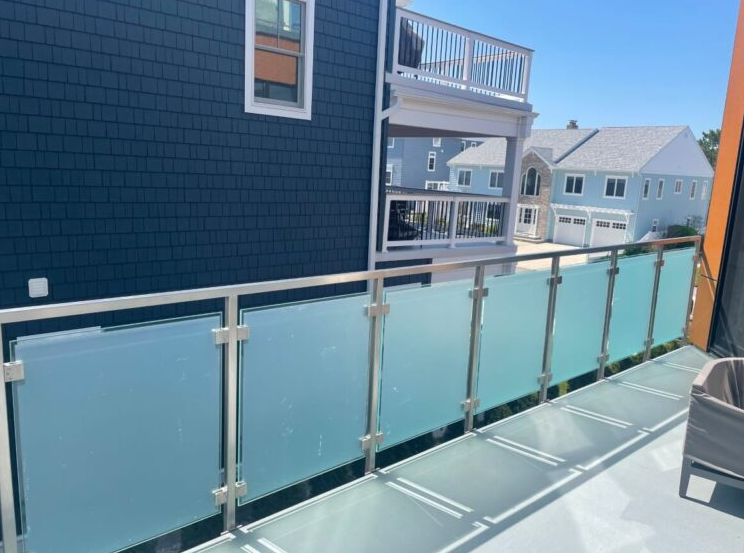
Homeowners may also choose privacy tinting, frosted tint for home, or decorative window tint for homes. These films enhance privacy while still supporting thermal comfort.
Residential Window Tinting in Warm Regions
In areas like West Palm Beach, residential window tinting in west palm beach is commonly used due to high sun exposure and long cooling seasons. Properties with large windows or glass doors benefit most from residential window films designed for heat control.
Homeowners often work with residential window film installers near me to assess window orientation, glass type, and film compatibility before installation.
Window Tinting for Businesses and Commercial Spaces
Commercial window tinting needs
Commercial buildings often have extensive glass surfaces that allow significant heat gain. Commercial window tinting helps regulate indoor temperatures and reduce operating costs.
Benefits for business environments
- Improved comfort for employees and customers
- Reduced glare on screens and displays
- Lower cooling expenses
- Consistent indoor temperatures
Commercial window tinting companies often install commercial window film tailored to office buildings, retail stores, restaurants, and medical facilities.
Privacy and decorative films for offices
Businesses also use commercial privacy film, privacy tinting for offices, and decorative tinting for offices to manage visibility without blocking light.
Specialty Window Film Applications
Marine window film
Boats and yachts are exposed to intense sunlight. Marine window tinting and ceramic tint for boats help control cabin heat, reduce glare, and improve onboard comfort.
Decorative glass films
Decorative glass films and frosted privacy tint office solutions are used to enhance aesthetics while maintaining functionality.
Safety and surface protection films
- Safety and security window film helps hold glass together in the event of impact
- Anti graffiti glass film protects windows from surface damage
- Countertop protection film and surface protection film help preserve high use areas
Comparison of Window Film Benefits
Feature | Residential Use | Commercial Use |
Cooling cost reduction | Lower household energy bills | Reduced operating expenses |
Thermal comfort | Even indoor temperatures | Improved occupant comfort |
UV protection | Protects furniture and flooring | Preserves displays and equipment |
Glare reduction | Better viewing comfort | Improved productivity |
Installation impact | Minimal disruption | No business downtime |
Factors That Influence Window Film Performance
Window orientation
South and west facing windows typically receive the most sunlight and benefit the most from heat blocking film.
Glass type
Single pane, double-pane, and coated glass react differently to films. Compatibility assessment ensures safe installation.
Climate conditions
In consistently warm climates, films designed for high solar rejection offer the best results.
Installation quality
Proper installation ensures long-term performance and durability.
Window Films as Part of an Energy Efficiency Strategy
Window tinting works best when combined with other efficiency measures such as insulation, sealing air leaks, and using programmable thermostats. Together, these steps help stabilise indoor temperatures and reduce energy waste.
Conclusion
In warm climates, managing cooling costs requires practical solutions that address heat before it enters a building. Energy-saving window tint, including options such as commercial privacy film, provides an effective way to reduce AC costs, improve thermal comfort, and protect interior spaces from UV damage. Whether used in homes, businesses, or specialty environments, window films offer a cost-effective approach to improving energy efficiency without the need for major renovations.
By understanding how window films work and where they are most effective, homeowners and businesses can make informed decisions that support comfort, efficiency, and long-term savings.